Il magnifico marmo bianco: il marmo per antonomasia nonché il marmo più richiesto in tutto il mondo fin dai tempi più antichi. L’utilizzo del marmo bianco per la realizzazione di monumenti, opere architettoniche e artistiche come statue e sculture ha una storia antichissima. Il massimo splendore del marmo bianco è senz’altro rappresentato dall’epoca classica e romana; tuttavia il suo splendore non è scemato ma è proseguito affermandosi con vigore anche lungo il Medioevo e durante tutto il periodo rinascimentale.
L’intrinseca luminosità del marmo bianco e la facile lavorabilità dovuta alla sua consistenza unica lo hanno reso il materiale prediletto da i più grandi artisti della storia dell’arte come Michelangelo, Donatello, Bernini e Canova. Tuttavia, il marmo bianco non è solo il famosissimo marmo bianco di Carrara ma esistono in realtà moltissimi tipi di marmo bianco i quali differiscono in gradazione di colore, luminosità, presenza di intrusioni, venature e altre caratteristiche della texture marmo bianco.
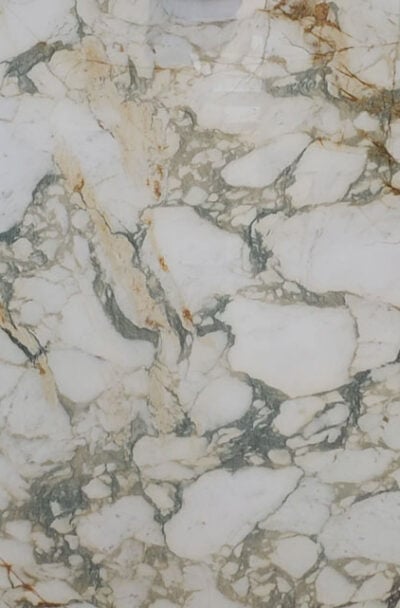
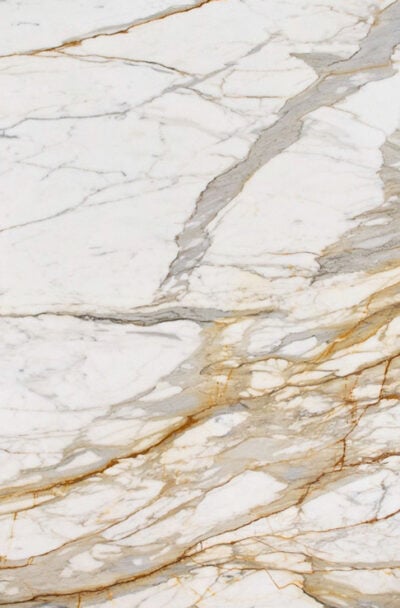

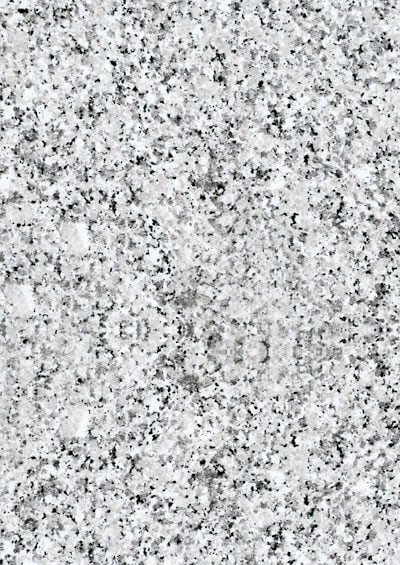

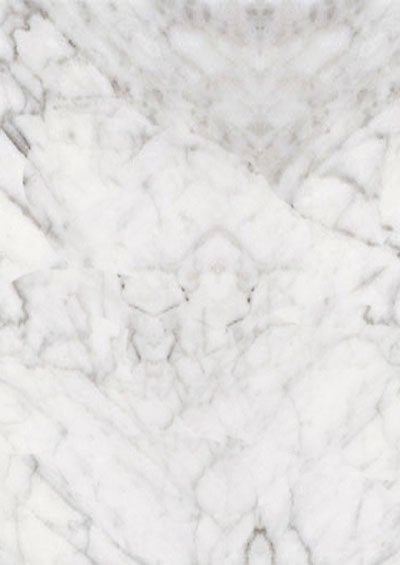

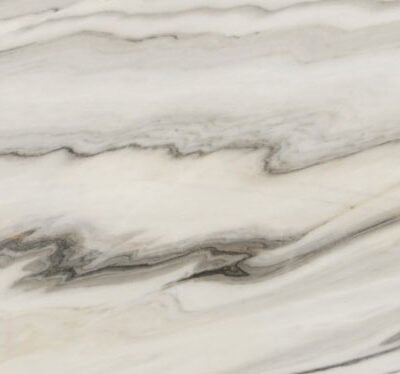
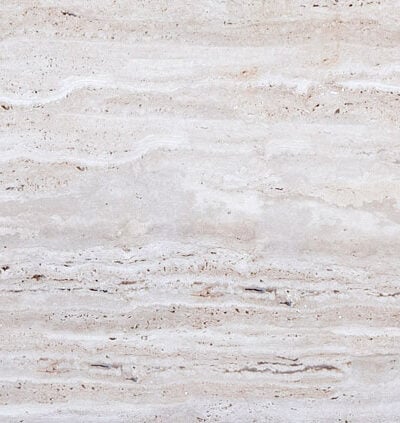
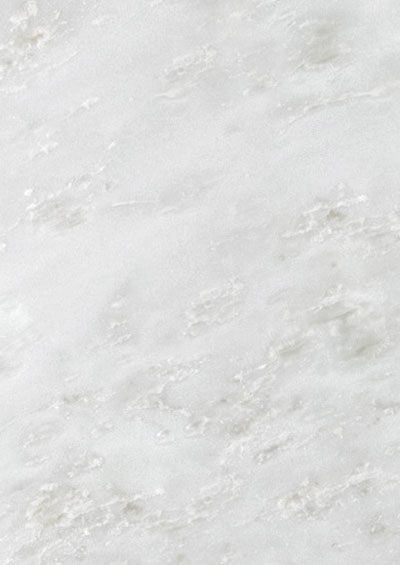
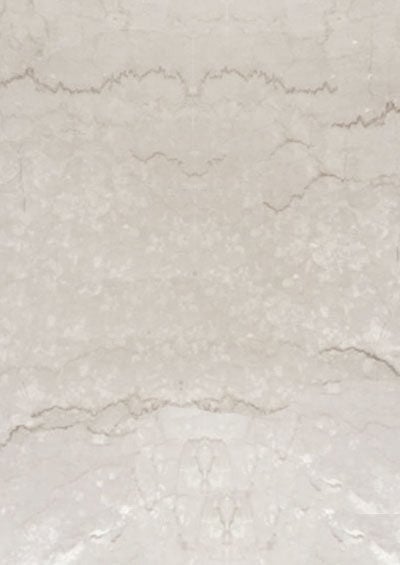
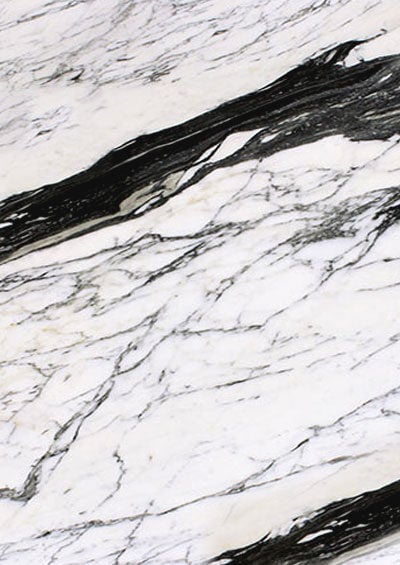



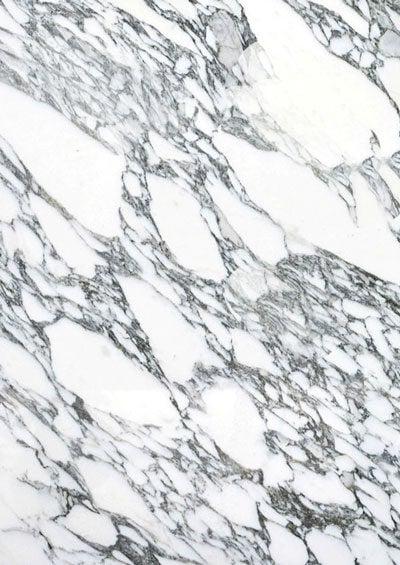



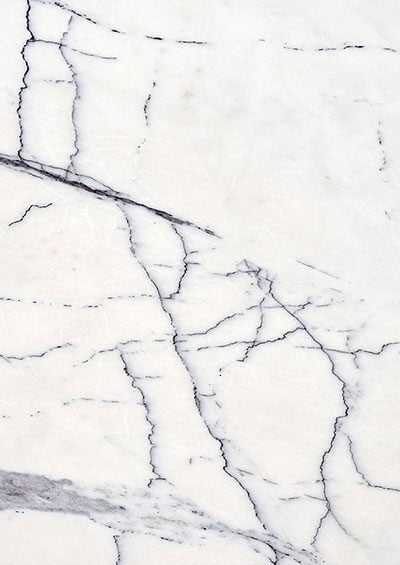
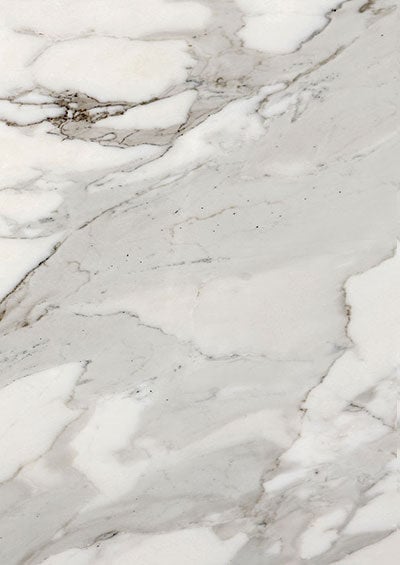
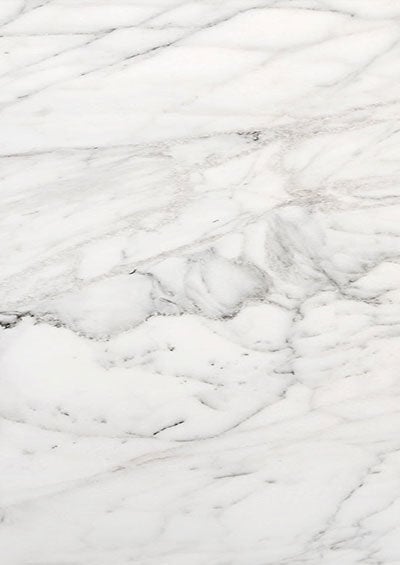


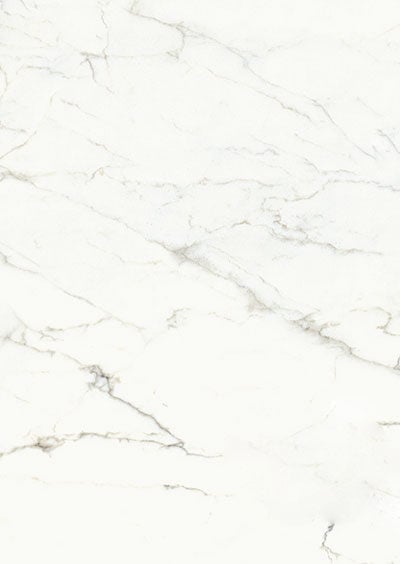
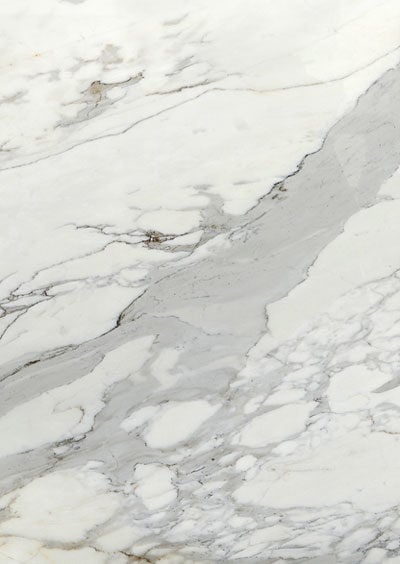
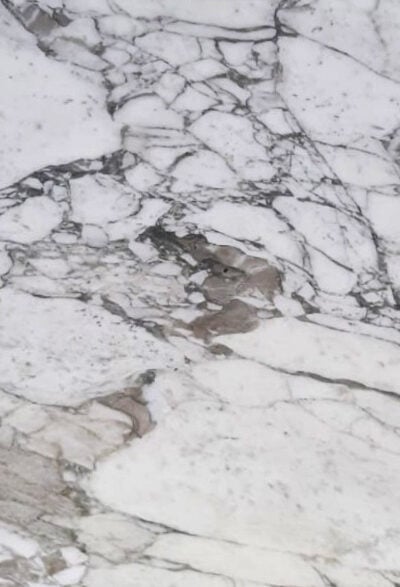
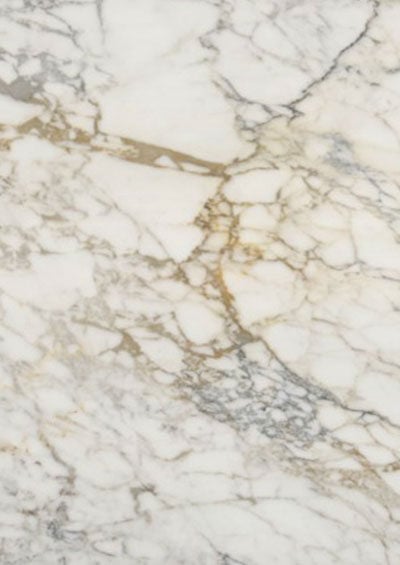
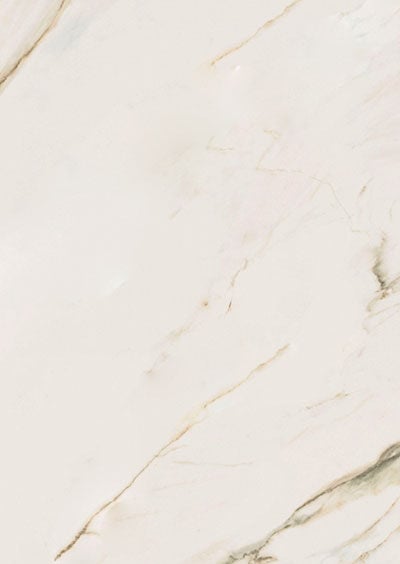
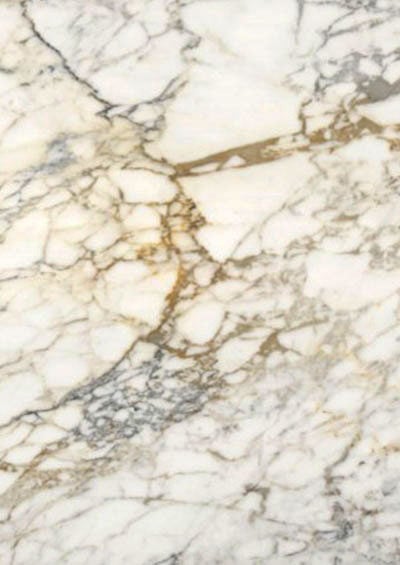
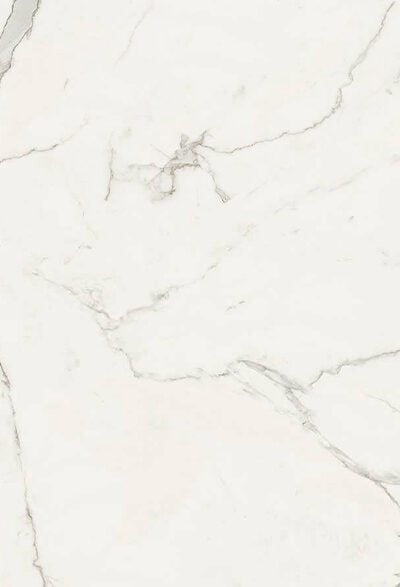
White marbles are part of the family of metamorphic rocks and are mostly made up of calcium carbonate. Precisely because the color of each marble is due to the presence of mineral impurities, white marbles are in fact the result of the metamorphization of calcareous rocks devoid of any impurities. White marbles are generally characterized by a light background that can range from pearly white to gray (or milky white and ivory) jagged by more or less dark gray veins and other intrusions such as pigmentation and clouding. All these characteristics put together create a real classification among all types of white marble: just think of the many varieties that exist of the famous Calacatta white marble!
White marble is a natural stone extracted since ancient times: its quarries date back to the third century BC in Greece and to the first century in Italy. White marble has therefore been used for centuries for the creation of historical monuments, sculptures and architectural structures such as temples, mosques and churches. The opulent appearance of white marble as well as its ability to support immense weights have made it a privileged choice for builders who have used it with great success both indoors and outdoors. Think for example of amazing buildings such as the Taj Mahal made of Makrana white marble or the Lincoln Memorial in Washington D.C. in Yule white marble or in the Pantheon in Rome in Pentelic white marble from Greece.

But when it comes to white marble, our mind immediately turns to the quarrying basin of the Apuan Alps and in particular to white Carrara marble, the white marble par excellence. Michelangelo Buonarroti was undoubtedly the artist who most made Carrara white marble famous thanks to his sculptures known throughout the world such as David, the Pietà or Moses. Michelangelo was so obsessed with white marble that he often left for Carrara to personally select the block from which he would have to sculpt the client’s work.
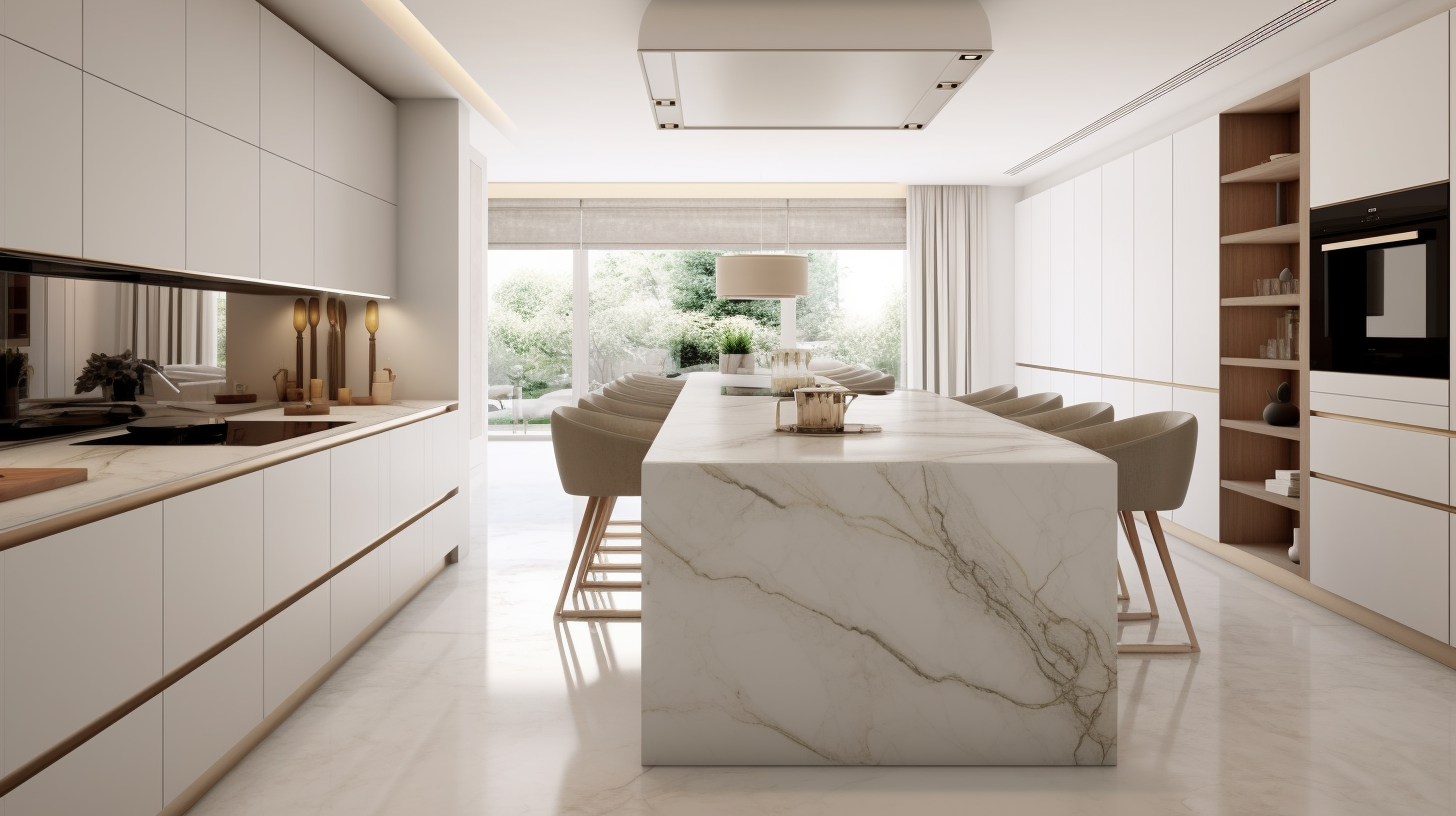
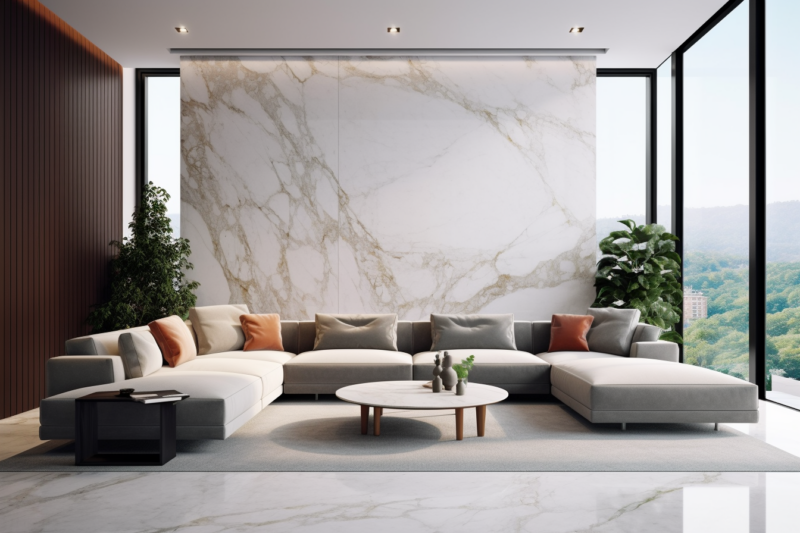
 Nowadays, white marble is widely used in furniture and interior design for applications that are also very different from each other. White marble, due to its unique chromatic characteristics, is able to enhance qualities such as freshness, cleanliness and purity. When placed in a context, white marble tends to immediately give space and light, making the space airier and shinier.
White marble turns out to be a winning solution in small and limited spaces such as bathrooms, closets and kitchens precisely because of its quality of making the rooms it adorns more voluminous and brilliant.
Finally, white marble is a material that successfully combines with many other materials used in interior design based on the mood you want to create: shiny metal, wood or the same marble but in other colors such as black marble (e.g. to create chiaroscuro contrasts).








Luxurious furniture in lightweight marble
Dedalo is a company from Carrara that designs and produce monolithic luxurious furnishings in lightened marble, with a contemporary design. Our goal is to reaffirm the use of marble in everyday life without renouncing, for reasons of weight, to its three-dimensional vocation, proposing sculptural and extremely engaging shapes.