Contents
The serizzo is a natural stone widely used in construction due to its durability. Originating mainly from the Italian Alps, it is a metamorphic stone that shares some characteristics with granite but stands out for its unique texture and versatility. It is used in both outdoor and indoor settings thanks to its ability to withstand harsh weather conditions and wear. Its gray tones make it suitable for a wide range of architectural projects, from façade cladding to interior design. Thanks to its durability, serizzo is a popular choice for both residential and commercial projects.
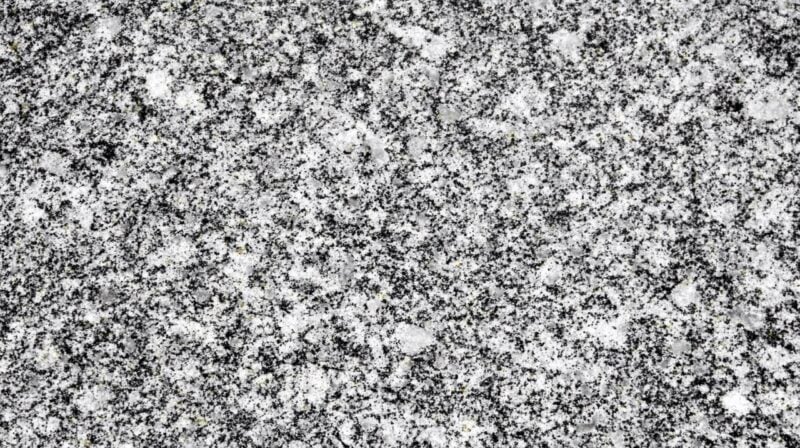
Serizzo is a natural metamorphic stone, composed of minerals such as quartz, feldspar, and mica, and is particularly valued for its hardness and resistance to weathering. Its color ranges from light gray to dark gray, with irregular veins that give it a unique, natural appearance. Due to these characteristics, serizzo is widely used in construction for both external cladding and interior applications. Its elegant aesthetics and long-lasting nature make it an excellent choice for those seeking high-quality natural materials.
Serizzo has a long geological history, formed by metamorphic processes that transformed pre-existing rocks into a compact and durable stone. This stone is predominantly formed in alpine regions, where the high pressure and temperatures of the mountains crystallized its main minerals: quartz, feldspar, and mica. Its mountainous origins contribute to its robustness and resistance to weathering. Traditional extraction areas include the Valle Formazza, where serizzo has been quarried for centuries and used in the construction of buildings and public works.
The characteristics of serizzo make it ideal for numerous uses. Its main quality is resistance: it withstands wear, frost, and the effects of weather, making it perfect for outdoor projects. Additionally, serizzo is a durable and low-maintenance stone that does not require frequent treatments. Aesthetically, serizzo is distinguished by its unique veins and a color range that varies from light gray to dark gray, giving any surface a natural and elegant look. These characteristics make it very versatile and suitable for various architectural contexts.
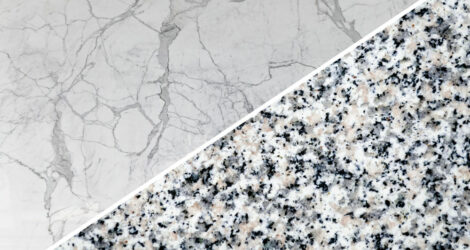
Serizzo is often compared to granite, but there are significant differences. While granite is an igneous rock and serizzo is a metamorphic rock (gneiss), serizzo has a finer grain and a greater variety of veins. Granite tends to be more uniform in color, while serizzo stands out for its varied structure and gray shades. Structurally, both materials are very resistant and durable, but serizzo is often preferred in contexts where a combination of strength and natural aesthetics is required.
Both serizzo and granite are known for their exceptional resistance to weather and wear, qualities that make them ideal for both exterior and interior applications. Both stones offer long durability, making them common choices in architecture and design. Although they have different geological origins, they share a high capacity to withstand harsh environmental conditions while maintaining their beauty over time, enhancing the aesthetic appeal of the surfaces where they are used.
In reality, as we’ve seen, calling it “serizzo granite” is not correct, but many people refer to it this way. Serizzo is primarily composed of quartz, feldspar, and mica, elements that contribute to its resistance and longevity. This composition is similar to granite, but serizzo differs in its more compact structure and finer grain. The color variations, from light gray to dark gray, depend on the amount and arrangement of these minerals. The combination of these elements makes it suitable for both structural and decorative applications, resisting the wear of time and weather.
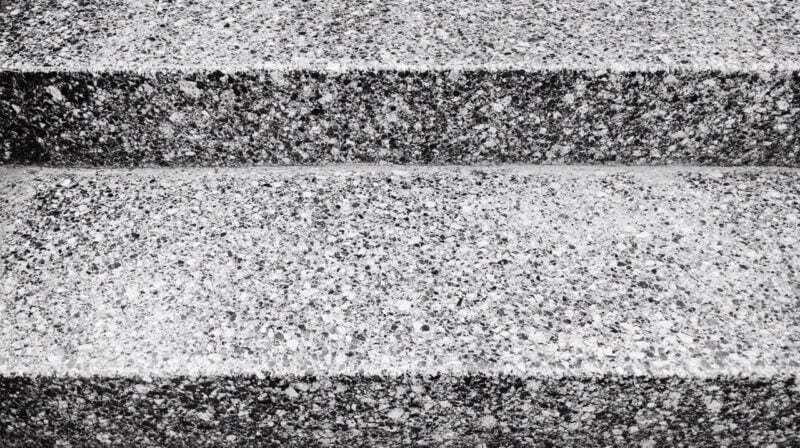
Serizzo is used in a wide range of construction applications. Due to its strength and durability, it is used for building cladding, paving, staircases, and even for interior architectural decorations. Its ability to withstand harsh weather conditions makes it a popular choice for outdoor projects such as sidewalks, pool edges, and façades. Indoors, serizzo is valued for its natural aesthetics and ease of maintenance, making it ideal for countertops and floors that must withstand wear without compromising appearance.
Serizzo is widely used as a cladding stone due to its resistance to weathering. It is ideal for building façades, offering lasting protection against the elements and an aesthetically pleasing look. Serizzo is also used to clad external walls, paving, and walkways in outdoor environments, where it is appreciated for its ability to retain its natural beauty over time. Thanks to its durability and variety of veins, serizzo provides an excellent solution for cladding projects that require a robust yet aesthetically pleasing material.
Indoors, serizzo is appreciated for its natural elegance and its ability to withstand wear. It is often used for kitchen countertops, flooring, and stairs, where its smooth surface and distinctive veins add a touch of class to any space. Furthermore, thanks to its durability, it is also suitable for areas subject to heavy traffic, such as entryways and living rooms. The aesthetic versatility of serizzo makes it perfect for custom design elements, such as fireplaces and decorative walls.
Although serizzo is sometimes confused with marble due to its elegant appearance, the two materials are very different. Marble is more delicate and prone to scratches and stains, whereas serizzo is extremely resistant and suitable for projects that require long-lasting durability. In terms of usage, serizzo is chosen for applications that require strength and resistance to external elements, while marble is more suitable for luxurious interiors where aesthetics outweigh functional needs.
Serizzo offers numerous advantages due to its resistance, durability, and ease of maintenance. It is a material that withstands weathering, impacts, and wear, making it ideal for both indoor and outdoor applications. Aesthetically, its variety of veins and shades makes it suitable for different architectural styles. Additionally, serizzo is a sustainable choice, as it is a natural material with a low environmental impact. The combination of aesthetics and functionality makes serizzo a versatile and valued option in modern construction.
One of serizzo’s main qualities is its exceptional resistance. This stone can withstand strong physical stresses, such as impacts and abrasions, as well as extreme weather conditions, including frost and high temperatures. Thanks to its durability, serizzo is an ideal choice for projects that require long-lasting materials, such as outdoor pavements, cladding, and stairs. Its ability to maintain its beauty over time makes it a high-quality stone for those seeking strength and resilience.
The natural aesthetics of serizzo, characterized by elegant veins and neutral tones, make it an extremely versatile material for a variety of applications. Its color range, from light gray to dark gray, easily adapts to both modern and traditional settings. This makes it suitable for elegant interiors as well as outdoor environments. Its versatility allows it to be used in numerous architectural contexts, from cladding to flooring, and even decorative elements such as fireplaces and accent walls.
Serizzo is mainly extracted in the Italian Alps, particularly in the Valle Formazza. This area is renowned for producing high-quality serizzo, used in both Italy and abroad for construction and design projects. In addition to Formazza, other extraction areas include various alpine locations, where quarries produce stones with slightly different aesthetic characteristics depending on their geographic location. These mountainous areas ensure the availability of a natural and durable material, widely used in high-level architectural projects.
Serizzo Formazza is one of the most prized varieties of this stone, primarily extracted in the eponymous valley. Known for its strength and distinctive veins, serizzo Formazza is widely used for exterior cladding, paving, and prestigious architectural works. Its alpine origin makes it a stone resistant to weathering and climatic variations, making it particularly suitable for outdoor environments. Serizzo Formazza is appreciated not only for its technical qualities but also for its natural aesthetics.
Serizzo is primarily extracted in some locations of the Italian Alps, in addition to the well-known Valle Formazza. Other extraction areas include the Valle d’Ossola, Valchiavenna, and Val Vigezzo. However, serizzo is also found in other alpine areas, such as parts of the Valle Anzasca and the Valle Cannobina, where geological conditions have favored the formation of this stone. The different extraction areas can influence the aesthetic characteristics of serizzo, such as veins and color variations, offering options that suit different architectural needs. Extraction often occurs using sustainable methods to reduce environmental impact and preserve the mountainous landscape.
The maintenance of serizzo is simple and requires little effort. To maintain its original appearance, it is sufficient to clean it with water and neutral soap, avoiding harsh chemicals. For outdoor applications, it is advisable to apply protective treatments to prevent the absorption of water and oily substances. These treatments extend the life of serizzo and preserve its beauty. Thanks to its natural resistance, serizzo does not require frequent interventions, making it a practical choice for those looking for a durable, easy-to-manage material.
Cleaning serizzo is a relatively simple process. It is enough to use water and mild detergents, avoiding acidic or chemical substances that could damage the surface of the stone. For indoor surfaces, regular cleaning with neutral soap is sufficient to keep the stone clean and shiny. For outdoor applications, it is advisable to periodically remove dirt and debris to preserve the integrity of the surface. Proper care ensures that serizzo maintains its durability and beauty over time.
Although serizzo is naturally resistant, the application of protective treatments can further increase its durability. Products such as impregnants and water repellents help prevent the absorption of water and oily substances, protecting the stone from stains and damage. These treatments are particularly useful for outdoor surfaces, such as pavements and cladding, which are exposed to the elements. With proper maintenance and the application of protective treatments, serizzo can maintain its beauty and functionality for many years.








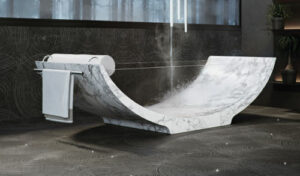
Luxurious furniture in lightweight marble
Dedalo is a company from Carrara that designs and produce monolithic luxurious furnishings in lightened marble, with a contemporary design. Our goal is to reaffirm the use of marble in everyday life without renouncing, for reasons of weight, to its three-dimensional vocation, proposing sculptural and extremely engaging shapes.