Contents
Minimalist furniture combines elegance and functionality to create clean, organized spaces. This approach focuses on using few, carefully selected elements to craft an environment that conveys calm and harmony. Minimalism highlights simplicity without sacrificing comfort and beauty, with particular attention to the quality of materials and the essential nature of shapes. Choosing minimalist furniture means creating spaces that enhance well-being and practicality by eliminating the unnecessary and keeping only what is truly essential.
Minimalist furniture stems from the desire to reduce the unnecessary and emphasize the essential. It is inspired by the motto “less is more,” famously attributed to Mies van der Rohe, focusing on simple lines, neutral colors, and clean forms. This style stands out for its ability to create organized and relaxing environments where every element serves a specific purpose. Minimalism doesn’t mean compromising comfort; instead, it finds the perfect balance between aesthetics and functionality. This style can be adapted to various types of homes, making every space harmonious and organized.
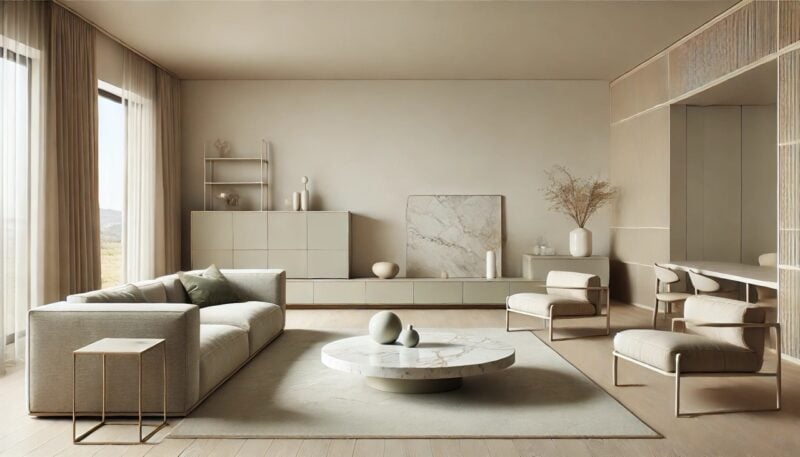
Minimalist style is based on three key principles: simplicity, functionality, and organized spaces. Minimalist environments feature few furniture pieces and decorative items, all chosen for their quality and practicality. Predominant colors are neutrals like white, gray, and beige, while furniture lines are clean and simple. The goal is to create a space that is aesthetically pleasing and easy to keep organized. Every element must serve a specific function, eliminating anything superfluous.
Decluttering is essential for those who want to embrace minimalist furniture. It involves removing unnecessary items, freeing up space, and making rooms more functional and welcoming. In a minimalist environment, everything has its place, and excess is put aside. Decluttering not only improves the home’s aesthetics but also helps create a more relaxing and less stressful environment. Visual order positively impacts mental well-being, contributing to a better quality of life.
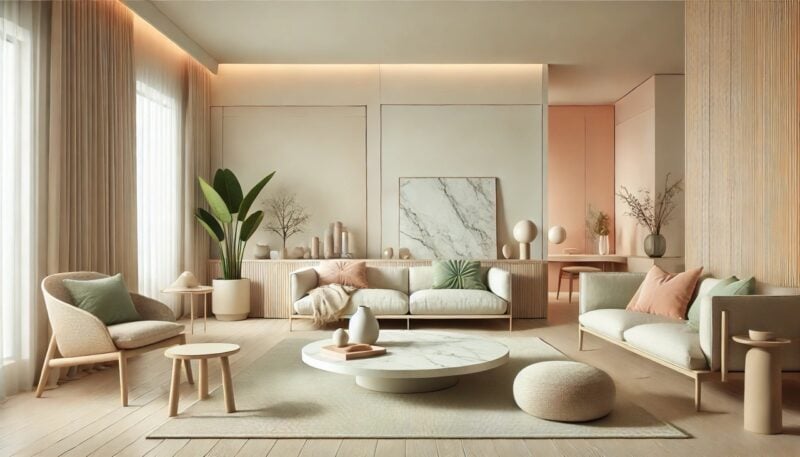
Furnishing a home in minimalist style requires a strategic approach. Start by choosing a few functional furniture pieces with simple design. It’s important to maintain consistency across spaces by using a neutral color palette and opting for natural, high-quality materials. The end result is a clean, organized environment where every furniture piece serves a clear purpose. Eliminating clutter and focusing on simplicity is key to achieving a minimalist look.
To furnish a minimalist home, start by carefully selecting furniture: every piece should be functional and have a simple design. Choose neutral colors and natural materials like wood and stone to create a warm, inviting atmosphere. Minimize decorations and accessories, focusing on a few high-quality items. Maintaining order is crucial for creating a harmonious and relaxing space. Finally, personalize the environment with plants or simple artwork to add personality without overwhelming the space.
Minimalist furniture is characterized by clean lines and functionality. When selecting pieces for your home, opt for those with essential shapes and practical purposes. Wardrobes, beds, and sofas should be compact, free from excessive decoration, and made from quality materials. Furniture arrangement should follow the logic of open spaces, allowing air and light to flow naturally. The key is to choose furniture that is both beautiful and functional.
In minimalist design, neutral colors like white, beige, and gray are commonly used. These shades create a calming foundation and help the few decorative items present to stand out. Materials also play a crucial role: natural wood, glass, and metal are ideal for creating a clean, harmonious environment. Simple textures, such as linen and cotton, add warmth without compromising the simplicity of the space.
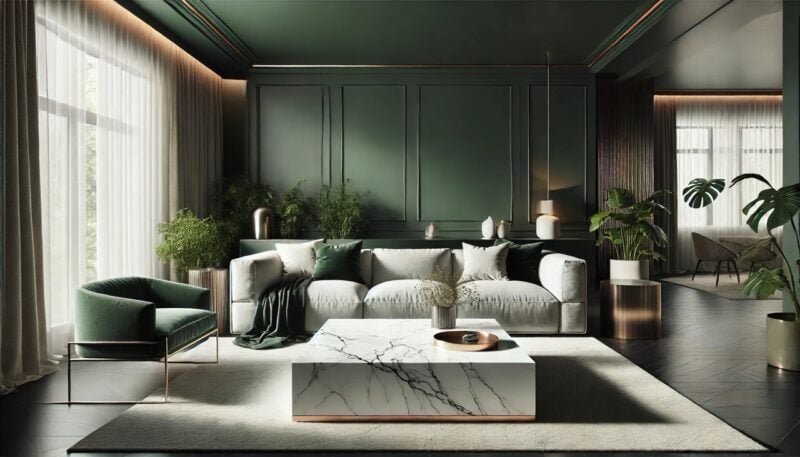
Minimalist furniture strikes the perfect balance between design and functionality. Each piece is designed to take up minimal space while serving specific practical needs. Minimalist design is distinguished by its clean lines and absence of unnecessary decorations, emphasizing a subtle yet refined beauty. This type of furniture is ideal for those seeking an organized home where everything has its place, and nothing is left to chance.
In a minimalist home, each room needs only a few, but functional pieces of furniture. In the living room, an essential sofa and a low coffee table may be enough. In the bedroom, a simple bed and functional wardrobe complete the decor. Even the kitchen can be furnished with just a few items, like a table and chairs with a clean design. The goal is to keep each room airy and spacious, without overcrowding it with furniture or objects.
In minimalism, design is crucial for creating an elegant and functional space. Geometric shapes, high-quality materials, and attention to detail make minimalist furniture unique. Although minimalist style forgoes abundant decorations, design plays a critical role in giving the space personality. Every furniture piece is crafted to be not only aesthetically pleasing but also practical and comfortable for everyday use.
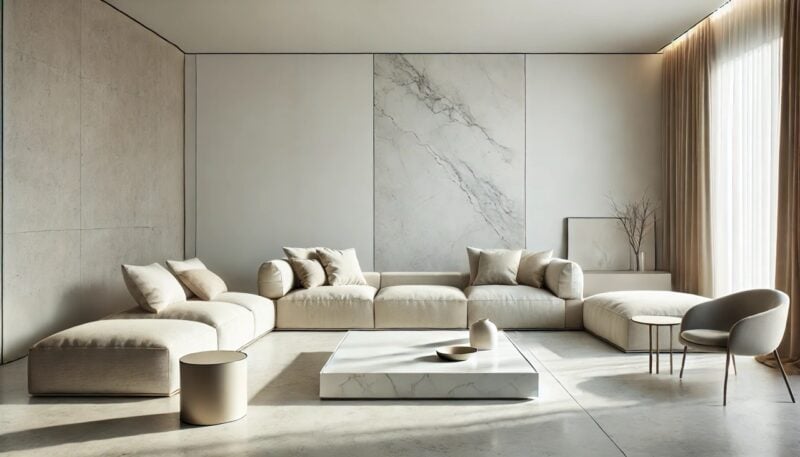
Minimalist furniture is not just about aesthetics; it also offers numerous practical benefits. Among these are improved psychological well-being due to an organized environment and reduced visual stress. Another significant benefit is the ease of keeping spaces clean and tidy by minimizing unnecessary items. Additionally, minimalism promotes a more sustainable lifestyle by focusing on fewer, higher-quality, and longer-lasting furniture pieces.
A minimalist environment is synonymous with order and mental calm. Reducing visual clutter allows for better concentration and promotes a relaxing living space. Having only essential elements at home helps maintain a clean and organized environment, improving the overall quality of life. Minimalism creates a space that fosters well-being, reduces stress, and encourages serenity.
One of the main advantages of minimalist furniture is its ease of maintenance. With fewer furniture pieces and decorations, cleaning the home becomes much simpler and quicker. Materials like wood and metal are easy to clean and require less care compared to delicate fabrics or surfaces. This makes it easier to keep the home tidy with minimal effort, saving time and energy in maintaining the space.
Choosing minimalist furniture means investing in a more organized, functional, and relaxing lifestyle. Minimalism helps create elegant spaces where every detail has a specific purpose. This style perfectly suits modern needs, where reducing excess and improving daily well-being is a priority. Additionally, minimalist furniture is a sustainable choice, as it promotes the purchase of fewer, but long-lasting, high-quality pieces. This makes minimalism an ideal solution for anyone looking for a modern, organized, and timeless home.








Luxurious furniture in lightweight marble
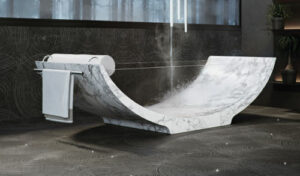
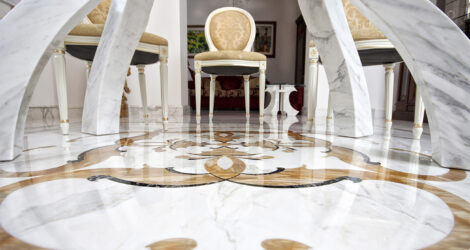
Dedalo is a company from Carrara that designs and produce monolithic luxurious furnishings in lightened marble, with a contemporary design. Our goal is to reaffirm the use of marble in everyday life without renouncing, for reasons of weight, to its three-dimensional vocation, proposing sculptural and extremely engaging shapes.