Contents
Minimalism is a philosophy and movement that emphasizes simplicity and the reduction of the unnecessary. Born in the 1960s as a response to excessive detail and ornamentation, minimalism spread from art and architecture to everyday life and design. This approach promotes essentialism and functionality, focusing on what truly matters and removing everything that doesn’t add value. Minimalism is not just an aesthetic; it’s a way of living that encourages mindfulness in one’s choices and a more intentional life.
Minimalism is an approach that seeks to reduce everything to its essentials, eliminating the superfluous. Initially emerging as an art movement, minimalism focuses on the use of simple forms, clean lines, and neutral colors. In daily life, minimalism invites people to reduce possessions, simplify activities, and focus on what truly matters. This philosophy promotes a more balanced and less chaotic life, encouraging individuals to declutter both physical and mental spaces.
Minimalism means to simplify to improve. It’s a concept that encourages eliminating excess to focus on the essential. This principle applies to various aspects of life, from art and design, which favor clean forms and few elements, to everyday living, which promotes reducing objects and distractions. Being minimalist means consciously choosing what brings value and happiness.
Applying minimalism in daily life means adopting habits and choices that favor simplicity and intentionality. It’s about reducing clutter, both physical and mental, and focusing on what is truly important. This can include decluttering living spaces, managing time more mindfully, and reducing technological distractions. Living minimally leads to greater mental clarity and peace of mind.
Minimalism originated in the 1960s as an art movement in response to abstract expressionism and consumerism. Artists like Donald Judd and Frank Stella began exploring the use of simple forms and industrial materials to express essential concepts. Since then, minimalism has evolved, influencing architecture, design, and lifestyle. Today, minimalism is a widely embraced philosophy that encourages simplification and awareness in all areas of life.
Minimalism began as an artistic movement in the United States during the 1960s. Artists like Donald Judd and Agnes Martin sought to eliminate the unnecessary from their works, focusing on pure geometric shapes and simple materials. This movement was a reaction against the complexity and chaos of modern art, instead proposing a new aesthetic based on reduction to essentials.
Over the years, minimalism has evolved, extending beyond art and architecture to influence design, fashion, and lifestyles. From the 1980s onward, minimalism became synonymous with elegance and functionality. Today, it is seen as a way to counter consumerism and information overload, promoting a simpler and more intentional way of life.
Minimalism in architecture emphasizes the simplicity of forms and the functionality of spaces. Minimalist architects use clean lines, natural materials, and a neutral color palette to create buildings that convey tranquility and order. This style reduces every element to its essence, eliminating superfluous decorations and focusing on the efficient use of space and light. Minimalist architecture aims to create environments that are not only aesthetically pleasing but also functional and sustainable.
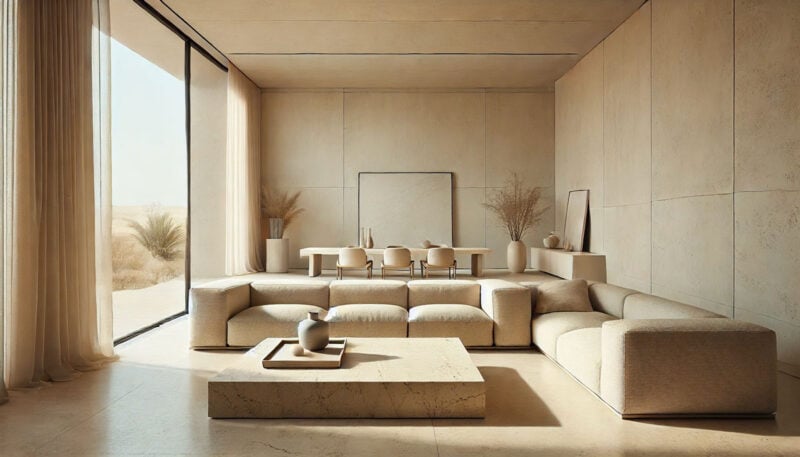
Minimalist architecture is characterized by the use of simple geometric shapes, clean lines, and a neutral color palette. Spaces are open and bright, with an emphasis on the efficient use of natural light. Preferred materials include concrete, glass, wood, and steel, chosen for their purity and ability to create a sense of harmony. Every element is reduced to its essentials, eliminating anything superfluous.
Minimalist architects favor natural and industrial materials, such as raw concrete, transparent glass, untreated wood, and steel. These materials are used to create simple and functional spaces. Construction techniques often include clean lines, smooth surfaces, and minimalist details, such as the discreet use of joints and connections.
Iconic examples of minimalist architecture include the Farnsworth House by Mies van der Rohe and the Glass House by Philip Johnson. These buildings represent the essence of minimalism, with their transparent structures, use of simple materials, and integration with the surrounding environment. Today, many residential and commercial buildings worldwide adopt the principles of minimalism.
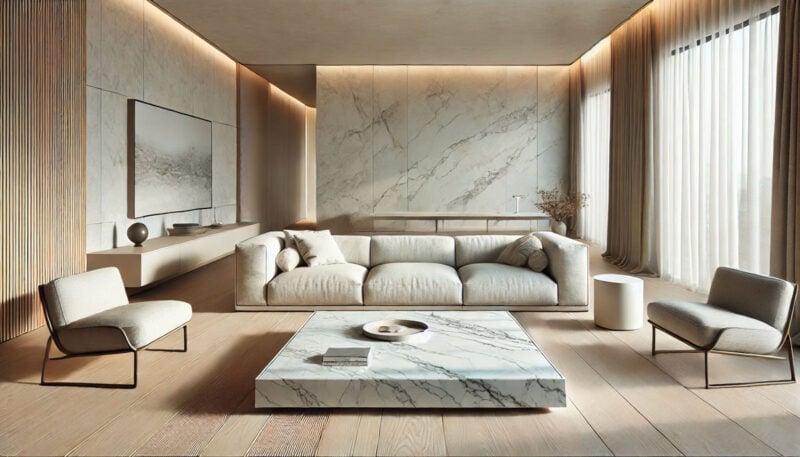
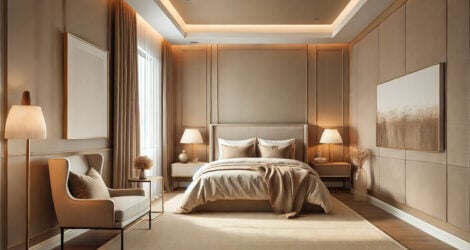
Minimalism in interior design focuses on creating simple, functional, and clutter-free spaces. This style favors essential furniture, clean lines, and a neutral color palette. The goal is to create an environment that conveys serenity and order, eliminating everything that is not necessary. Minimalist spaces are designed to be functional, welcoming, and aesthetically pleasing, with particular attention to the quality and sustainability of materials used.
Minimalist interior design is based on a few key principles: simplicity, functionality, and quality. Furniture and decorations are reduced to essentials, with a focus on using simple shapes and natural materials. Spaces are organized to be functional and welcoming, avoiding clutter and excessive decorations. The color palette is usually neutral, with limited color accents to create contrast.
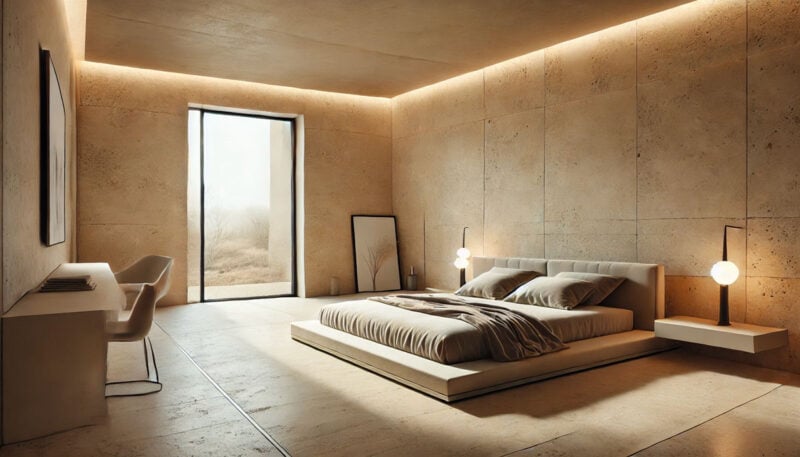
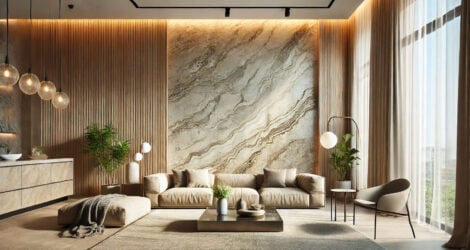
Creating a minimalist space requires a careful selection of furniture and decorative objects. It is important to choose pieces that are functional and have a simple design. The arrangement of elements should facilitate circulation and create a sense of openness. Using a neutral color palette and incorporating natural materials, such as wood and stone, helps create a relaxing and harmonious environment.
Colors in minimalism are generally neutral, such as white, gray, and beige, with occasional touches of darker or vibrant colors for accents. Preferred materials include wood, glass, metal, and natural fabrics, which add texture and warmth to the space without overwhelming it.
In minimalism, every object must have a clear purpose. Hidden storage spaces and multifunctional furniture help maintain order, avoiding visual clutter. Organization is crucial to creating an environment that is both beautiful to look at and comfortable to live in.
Minimalist interior design offers numerous benefits, including a reduction of clutter and visual stress, easier maintenance, and a more serene environment. Orderly, distraction-free spaces help improve concentration and overall well-being. Additionally, minimalist design promotes sustainability, encouraging the use of durable materials and responsible production practices.
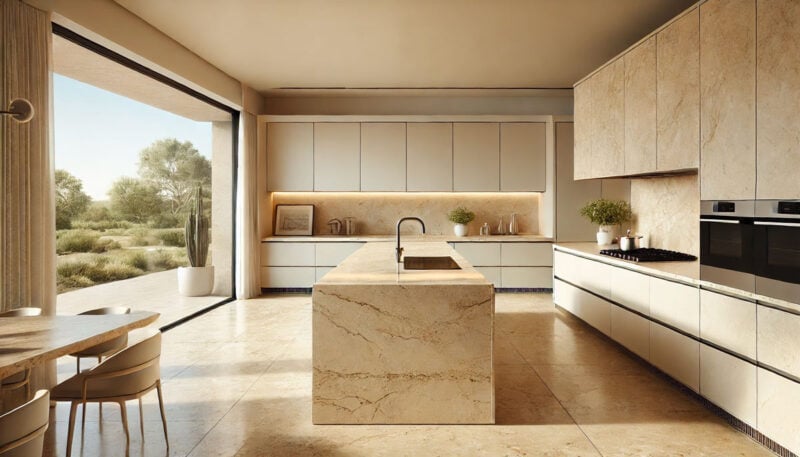
Minimalism in design embraces simplicity, functionality, and clean aesthetics. This approach focuses on the essentials, eliminating superfluous decorations and unnecessary details. In graphic design, product design, or user interface design, minimalism improves the user experience by making everything clearer and more intuitive. The goal is to create products and spaces that are not only beautiful but also easy to use and highly functional.
Key characteristics of minimalist design include the use of simple shapes, neutral colors, and empty spaces. This approach prioritizes functionality, ensuring that every element has a clear purpose. Attention to detail is crucial, with a focus on the quality of materials and ergonomics. The result is a design that is aesthetically pleasing, functional, and timeless.
Functionality is at the heart of minimalist design. Every element is chosen and placed for its purpose, ensuring that the design is intuitive and easy to use. This translates into cleaner user interfaces, more ergonomic products, and spaces that facilitate everyday life. Functionality in minimalist design eliminates the unnecessary, focusing on what truly matters.
Examples of contemporary minimalist design include tech products from brands like Apple, known for their clean lines and intuitive user interfaces. Interior design, with the use of modular and multifunctional furniture, also reflects the principles of minimalism. Modern apps and websites often follow a minimalist design, enhancing the user experience with simple layouts and intuitive navigation.
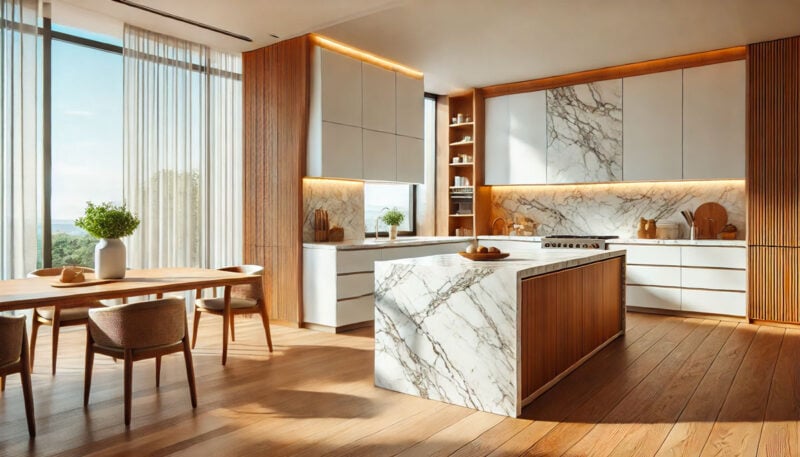
Minimalism offers numerous benefits, including stress reduction, greater sustainability, and an overall improvement in quality of life. Living with fewer possessions reduces clutter and makes space maintenance easier, leading to a more calm and organized environment. Minimalism also promotes more responsible consumption, encouraging the use of quality products and sustainable practices, thus contributing to the preservation of environmental resources.
One of the most immediate effects of minimalism is stress reduction. Orderly environments free from visual clutter help people relax and focus better. Eliminating excess and simplifying daily life allows more time and energy to be devoted to what truly matters, improving mental and emotional well-being.
Minimalism contributes to environmental sustainability by promoting mindful consumption and the reduction of waste. Choosing to live with less and opting for quality products reduces the environmental impact associated with the production and disposal of items. This approach helps to conserve natural resources and reduce pollution.
Minimalism improves quality of life by focusing on what is essential and meaningful. By reducing clutter and simplifying spaces, it creates an environment that promotes relaxation and concentration. Additionally, living minimally allows for greater appreciation of what one has, leading to increased satisfaction and happiness.








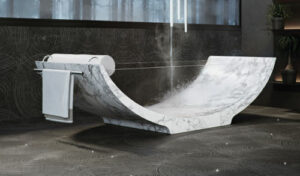
Luxurious furniture in lightweight marble
Dedalo is a company from Carrara that designs and produce monolithic luxurious furnishings in lightened marble, with a contemporary design. Our goal is to reaffirm the use of marble in everyday life without renouncing, for reasons of weight, to its three-dimensional vocation, proposing sculptural and extremely engaging shapes.