
Contents
Choosing the right colors for your living room walls can completely transform the atmosphere of a space. From timeless neutrals to more vibrant, modern tones, each color choice reflects a personality and style. It’s important to consider not only the color itself but also how it interacts with natural light and the surrounding furniture.
Choosing the ideal color for your living room depends on several factors. First, assess the brightness of the room: if it gets plenty of natural light, you can opt for darker colors, while for less bright spaces, it’s better to go with lighter shades. Also, consider your living room’s style: a modern decor might call for neutral or contrasting colors, while a classic room prefers warm and inviting tones. Lastly, don’t forget the psychological effect of colors: blue and green are calming, while yellow and red are energizing.
The style of your living room plays a crucial role in the choice of wall colors. If you have a minimalist living room, neutral colors like gray or white are perfect for maintaining balance. For more traditional settings, warm tones like cream or beige work best with wooden furniture. Bolder styles, like industrial, call for darker colors such as black or charcoal, creating contrast with raw materials like metal or concrete.
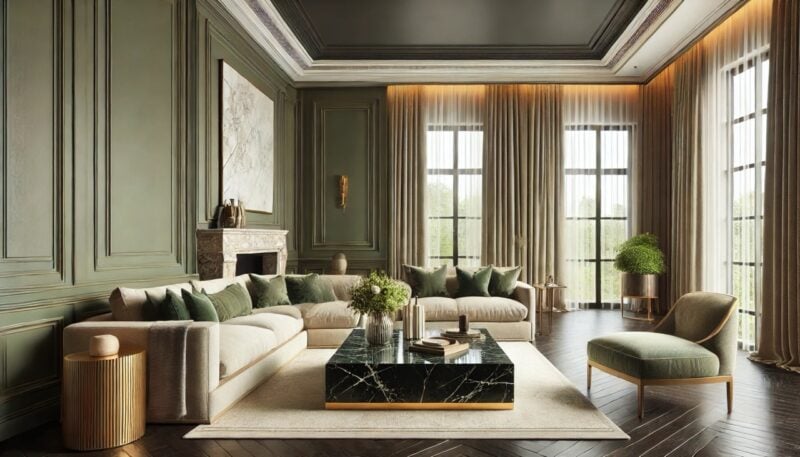
The amount of natural light in your living room greatly influences how colors are perceived. In bright spaces, you can choose darker shades like navy blue or dark gray, which add depth and intimacy. On the other hand, for living rooms with less natural light, it’s better to go with lighter colors like white or pastel yellow, which enhance brightness and create a feeling of more space.
Also, pay attention to window placement, as painting two walls the same color with one in a darker tone may not have the desired contrast if the darker wall receives direct light from a front-facing window. In this case, it’s better to go for an even darker color or, ideally, test it out first.
Colors not only influence the aesthetics of a room but also the emotions of those who spend time in it. Warm and gentle tones like warm white evoke a sense of comfort and serenity, making them ideal for creating a cozy and relaxing environment. These colors promote relaxation without being overly intense. Conversely, cooler tones like blue and green, while associated with calmness, can feel less inviting and more detached. The color you choose can affect your mood daily, so it’s important to consider the psychological effects of warm, reassuring shades.
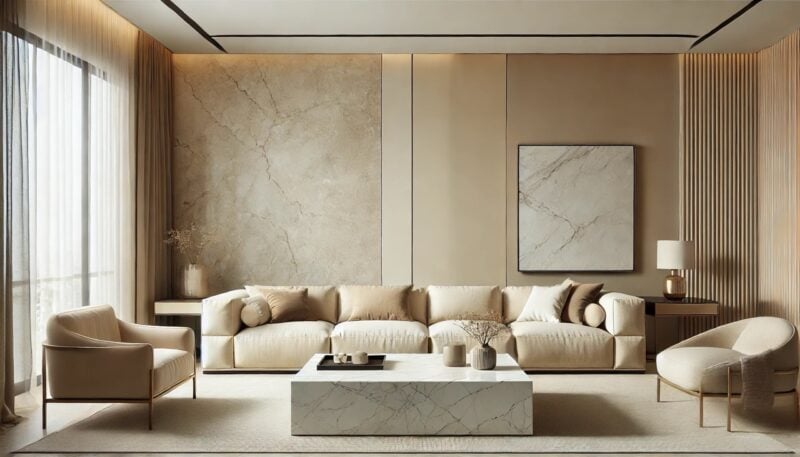
The latest trends in living room wall colors see a return to neutral colors with a modern twist. Warm beige and taupe gray are key players for those seeking a sophisticated, timeless look. At the same time, vibrant colors like emerald green or petroleum blue are gaining popularity for those who want to add personality. Dark colors, such as black or charcoal gray, are being used to create elegant and modern environments, especially when paired with natural materials like wood.
Neutral colors remain a classic choice for living room walls, as they easily pair with various decor styles. Beige, white, and gray offer versatility and create a harmonious base. Light gray is perfect for those seeking a modern look without being too bold, while warm beige adds a touch of coziness. These colors work well in living rooms of all sizes, making them bright and welcoming.
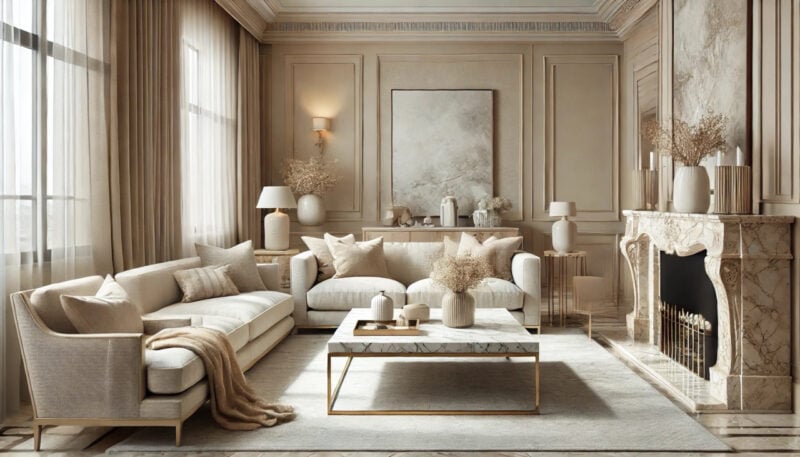
Beige, white, and gray are among the most popular choices for creating a relaxing and refined atmosphere in a living room. These shades blend well with any type of decor, from modern lines to more traditional designs. They also provide the flexibility to easily incorporate colorful accents through furniture and accessories, making it easy to change the look of the room with small updates.
White is never boring. There are numerous shades, ranging from pure white to cream white, that are perfect for creating a bright and airy space. White is an ideal choice for smaller living rooms or those with limited natural light, as it reflects light and gives the impression of a larger space. Pairing it with wooden or metallic furniture creates a pleasant visual contrast.
For those who love to make a statement, bold colors are an excellent option. Emerald green, petroleum blue, or mustard yellow can completely transform the ambiance of the living room, making it modern and dynamic. These colors are especially effective when used on a single wall, creating a focal point without overwhelming the entire space. Combined with neutral furniture, they enhance the design and add personality.
Green and blue are ideal for creating a calming and harmonious atmosphere in the living room. Olive green or sage green are great for a natural and modern look, while petroleum blue and navy blue add depth and sophistication. These colors evoke a connection with nature and work well in spaces with plenty of natural light.
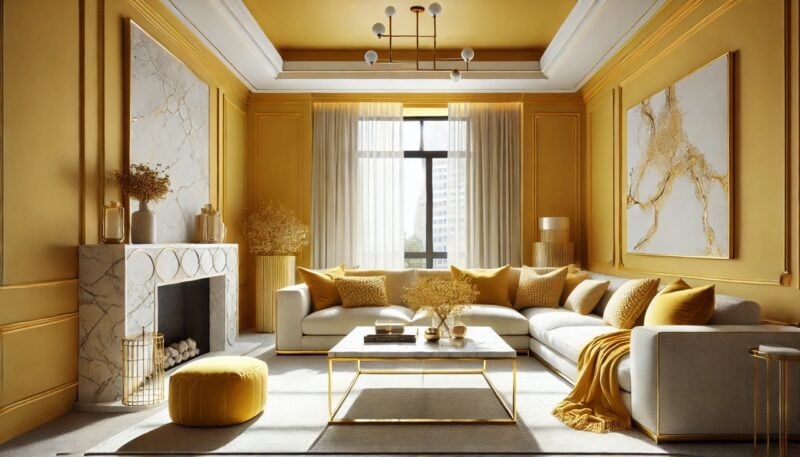
Yellow and orange are energizing colors that bring vitality to the living room. Perfect for creating a lively and welcoming environment, they work well in larger and brighter rooms. Mustard yellow or burnt orange are bold choices that pair beautifully with dark wood or metallic furniture, giving a contemporary and vibrant feel.
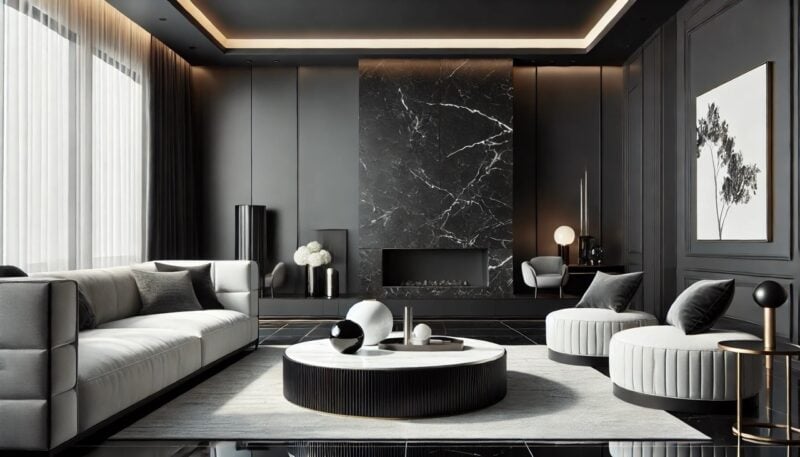
Dark colors, like black or charcoal gray, are gaining popularity for those looking to create an elegant and sophisticated living room. These colors add depth and luxury, especially when paired with materials like dark wood or marble. However, dark tones require careful lighting management, both natural and artificial, to avoid making the room feel too gloomy.
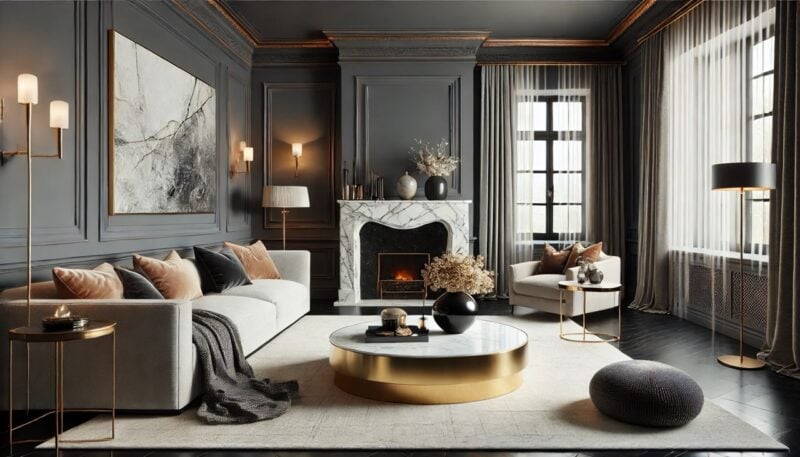
Black and charcoal gray are perfect for creating a modern and sophisticated living room. These bold colors can be balanced with lighter accents or furniture in lighter tones like light wood or gold metal. They add depth and contrast, making the space incredibly elegant.

Navy blue and petroleum green are two dark shades that exude elegance and modernity. Using these shades on an accent wall or pairing them with natural materials like wood and stone can create a refined and contemporary look. These colors work best in large, well-lit living rooms, where natural light can enhance their depth.
Color combinations are essential for creating visual harmony in the living room. Mixing complementary or contrasting tones can add dynamism and personality to the space. Warm colors like yellow or orange pair well with cooler tones such as gray and blue. For a more subtle effect, you can choose different shades of the same tone, maintaining a sober yet sophisticated appearance.
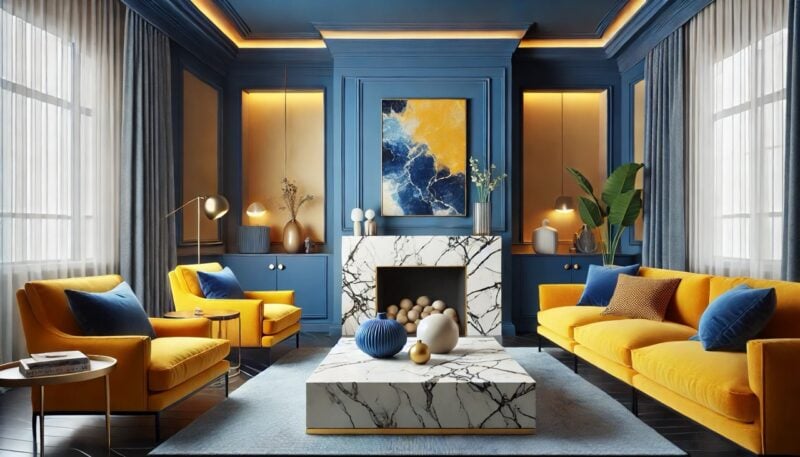
Combining warm and cool colors is one of the most effective trends for creating a balanced living room. Gray and blue are perfect for balancing warmer colors like yellow or red. This contrast creates a welcoming environment without sacrificing modernity. However, it’s important to balance the tones so that no single color dominates the others.
Using color contrasts is an excellent way to highlight spaces in the living room. A dark wall can make lighter furniture or decorative elements pop, while a lighter wall can make darker furniture or colorful accents stand out. This contrast adds character and depth to the living room, making the space more dynamic and visually interesting.
Choosing between a monochromatic or polychromatic scheme depends on the style you want to achieve. If you prefer a simple and minimalist look, a monochromatic palette, perhaps with different shades of gray or white, is ideal. For a more lively and creative effect, go for polychromatic colors, using tones that complement each other to create a cozy and stimulating atmosphere.
Each living room style requires particular attention when choosing the colors for the walls. Whether you have a modern, classic, or rustic living room, there’s a perfect color combination to enhance its characteristics. Discover which colors work best for your style and how to use them to create a welcoming and harmonious environment.
In a modern living room, neutral colors like white, gray, and black are very popular. These colors highlight clean lines and minimalist furniture. You can also add a pop of color with a bold accent wall, such as petroleum blue or emerald green, to keep the look modern yet welcoming.
Minimalist colors like white and gray are ideal for a modern living room. These shades create a tidy and spacious atmosphere, perfect for those who love a simple yet refined design. You can add details in natural wood or metal for a subtle and sophisticated contrast.

In a classic living room, warm and inviting colors like cream, beige, or brown prevail. These shades create a cozy and traditional atmosphere, perfect for those who love an elegant and comfortable environment. You can also add golden or brass details for a touch of luxury.
Warm and refined tones like beige and cream are perfect for creating a classic and welcoming living room. These colors pair beautifully with wooden furniture and rich fabrics like velvet, creating an elegant and timeless environment.
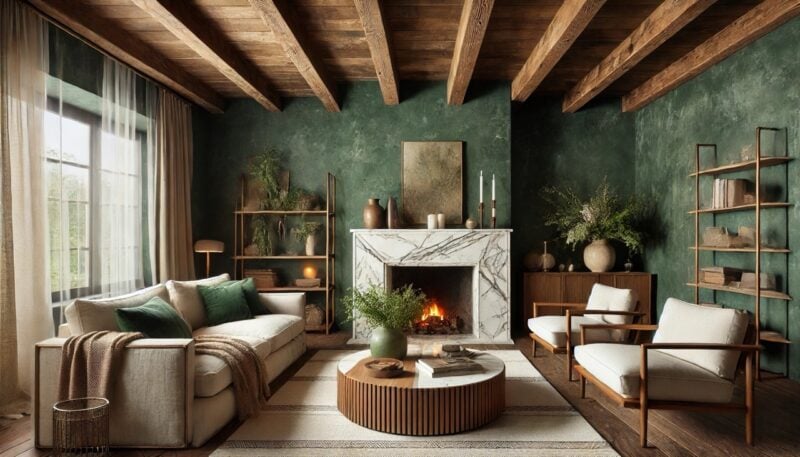
For a rustic living room, natural colors like forest green, brown, and terra cotta are perfect for highlighting materials like wood and stone. These tones create a warm and welcoming atmosphere, ideal for those who love a more relaxed, nature-inspired lifestyle.
Natural colors like brown, green, and terra cotta are perfect for a rustic living room. These tones blend beautifully with natural materials, creating a warm and relaxing environment, ideal for those seeking a cozy and homey feel.
If you want to give your living room a unique and original touch, there are many creative solutions to try. Accent walls, wall decorations, and the use of different materials can completely transform the space, making it personal and welcoming.
An accent wall is a great solution for adding character without overwhelming the entire space. Choose a bold color like red or navy blue to create a focal point, while keeping the rest of the walls in neutral tones. This approach adds personality to the living room without disrupting the overall color balance.
Wall decorations are a fantastic way to personalize the living room. You can opt for wallpaper with geometric or floral patterns to add character, or use special painting techniques like Venetian plaster or concrete effect for a modern look. These solutions add texture and depth to the walls, transforming the space.
A popular trend is to combine natural materials like wood or stone with neutral or dark colors for a contemporary effect. For example, a stone wall paired with a color like gray or dark green can create a warm and inviting atmosphere, adding a touch of uniqueness to the living room.
The size of the living room directly influences the choice of color. In smaller rooms, lighter colors like white or light gray can make the space feel larger and brighter. Conversely, in larger living rooms, darker colors like navy blue or forest green can create a cozy and intimate environment.
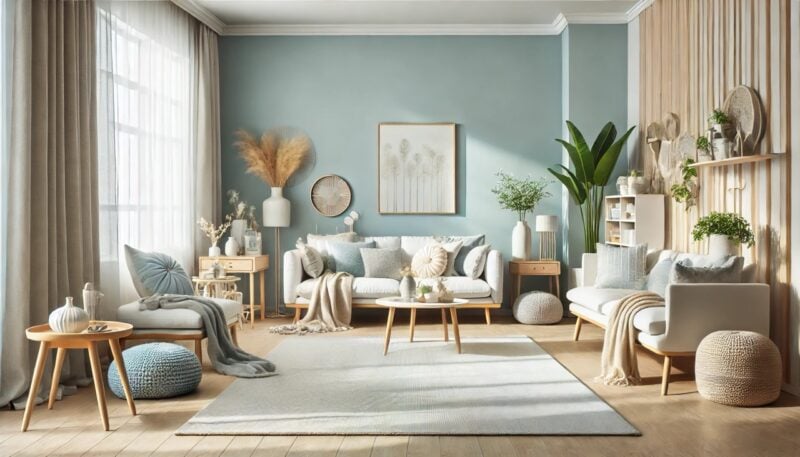
If your living room is small, opting for light colors such as white, beige, or light gray is a winning choice. These colors reflect light, creating the illusion of a larger and brighter space. You can add pops of color with accessories or furniture, while keeping the walls simple to avoid overwhelming the room.
In large, well-lit living rooms, you can go bold with dark colors like navy blue or petroleum green. These shades create a cozy and sophisticated atmosphere, especially when paired with light or metallic furniture. Dark colors add depth and make the space feel more intimate without sacrificing elegance.
The most relaxing colors for the living room include blue and green, which evoke serenity and calm. Beige and light gray are also effective for creating a peaceful environment.
Avoid too bright or overly dark colors in small or poorly lit rooms, as they can create an oppressive atmosphere. Colors like bright red or black may be too intense for a living room, unless they are balanced with neutral tones.
Choosing the right color also depends on your furniture. If your furniture is modern and minimalist, go for neutral colors that make it stand out. For more traditional furniture, warm tones like cream or beige create harmony.








Luxurious furniture in lightweight marble
Dedalo is a company from Carrara that designs and produce monolithic luxurious furnishings in lightened marble, with a contemporary design. Our goal is to reaffirm the use of marble in everyday life without renouncing, for reasons of weight, to its three-dimensional vocation, proposing sculptural and extremely engaging shapes.