
Contents
Modern houses represent one of the most appreciated trends in contemporary architecture, thanks to their mix of innovative aesthetics, functionality, and sustainability. In this article, we will thoroughly explore everything there is to know about modern houses, from their distinctive features to design elements, from popular styles to concrete examples.
You will also discover how to furnish and personalize a modern house, which materials and technologies to use, and how to choose the perfect project for your needs. If you are planning to buy, build, or renovate a modern house, this guide will provide all the necessary information to create your ideal living space.
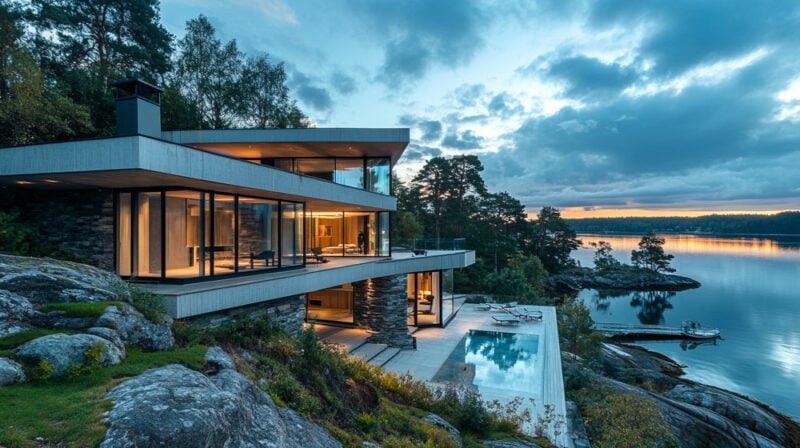
Modern houses stand out for their architectural design that combines simplicity, efficiency, and innovation. Their distinctive elements include clean lines, well-defined geometric shapes, and a strong use of natural light. These homes eliminate superfluous decorative elements, prioritizing essential functionality and a minimalist aesthetic.
The layout of the spaces is often open, creating large and fluid environments that encourage communication between different areas of the house. Commonly used materials include glass, steel, concrete, wood, stone, and marble, which achieve a perfect blend of modernity and natural appeal. Furthermore, modern houses are designed to harmonize with the surrounding environment, enhancing the connection between indoor and outdoor spaces.
Opting for a modern house means investing in a home designed for the future. These houses are often built with a special focus on sustainability, integrating innovative technologies such as solar panels, advanced insulation systems, and smart home systems.
From an aesthetic perspective, modern houses offer a timeless design that adapts to any lifestyle. Additionally, thanks to their design flexibility, every detail can be customized, from materials to interior spaces, creating a unique and perfectly tailored home. Choosing a modern house also means focusing on energy efficiency, living comfort, and a more mindful and environmentally connected lifestyle.
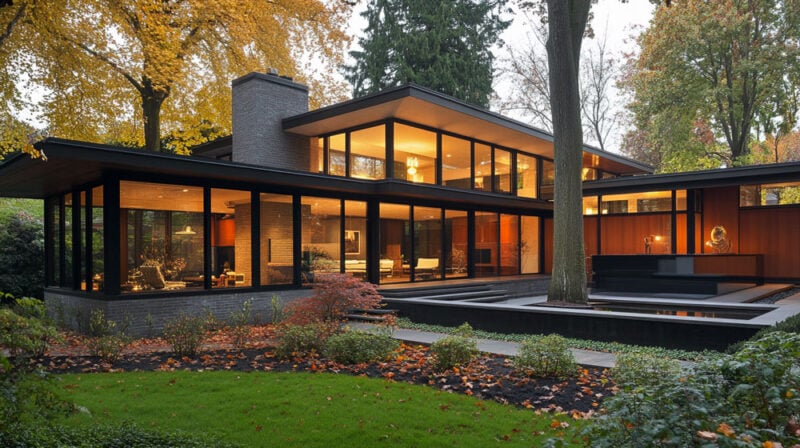
The design of a modern house is based on a balance of aesthetics, functionality, and technological innovation. A fundamental element is the interior layout, which must ensure a fluid and practical distribution of spaces, suitable for everyday life.
Main areas, such as the living room and kitchen, are often designed as open-plan spaces to encourage social interaction and brightness. The use of large panoramic windows is another essential aspect, as it maximizes natural light and creates a visual connection with the outdoors. Additionally, the design must consider sustainability, incorporating solutions such as green roofs, recycled materials, and renewable energy systems.
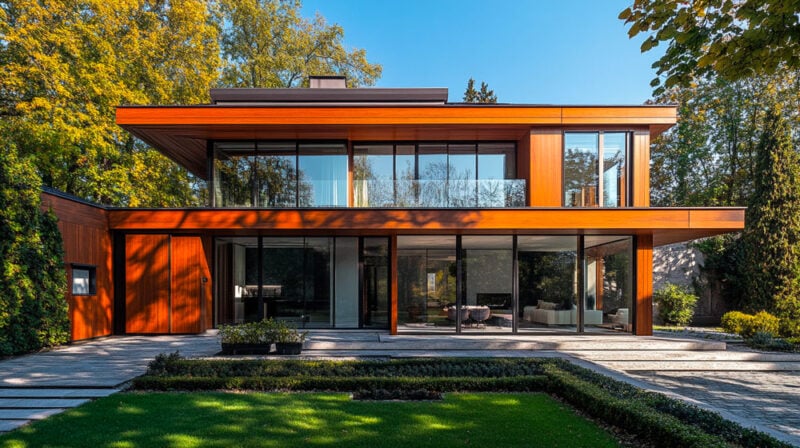
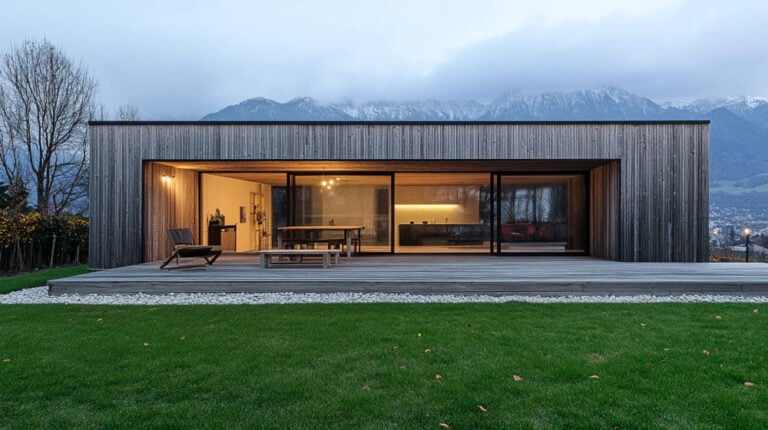
Materials used in modern houses reflect an emphasis on both aesthetics and functionality. Glass is often used for facades and windows, ensuring greater brightness and a sense of openness. Wood, besides adding warmth and a natural touch, is valued for its sustainability and versatility. Exposed concrete and steel are chosen for their industrial and modern look, while marble and stone offer timeless elegance.
From a technological perspective, modern houses incorporate smart systems, such as remote controls for lighting, heating, and security. Advanced technologies like photovoltaic panels, heat pumps, and rainwater harvesting systems help reduce energy costs and environmental impact.
Finding the perfect project for a modern house requires a clear definition of your needs and lifestyle. It’s important to evaluate factors such as the number of rooms, spatial arrangement, and integration with the surrounding environment. Collaborating with an experienced architect is essential to translate your ideas into a concrete and functional project. Today, many online resources offer project examples and floor plans, providing inspiration and guidance.
Among the most successful projects are houses characterized by a strong connection with the surrounding landscape, such as homes with large panoramic terraces, infinity pools, and vertical gardens. Other examples include modular houses designed to adapt to various living contexts and homes built with sustainable materials that minimize environmental impact. Each project successfully combines aesthetics and practicality, demonstrating how modern design can meet even the most specific needs.
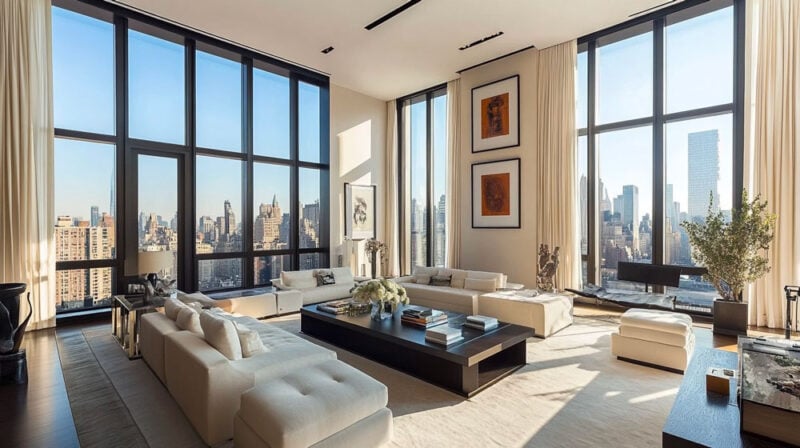
Modern residences represent the evolution of traditional architecture, adapting to changes in living habits and new societal needs. These homes are characterized by a design that combines tradition and innovation, with a strong focus on customization. Open spaces, natural materials, and cutting-edge technologies are just some elements defining the style of modern residences.
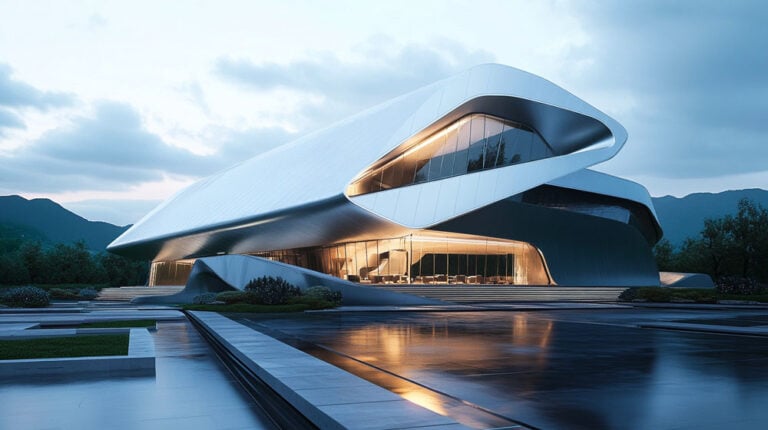
Ultra-modern houses follow the latest architectural trends, proposing futuristic and highly technological solutions. Among the most interesting innovations are the use of artificial intelligence for managing home systems, innovative materials like transparent concrete, and design solutions that maximize sustainability. These homes represent the future of living, with a growing focus on energy efficiency and extreme personalization.
Modern houses in urban settings are designed to optimize generally smaller spaces, often including compact and multifunctional solutions like lofts, green terraces, and movable walls. These projects meet the needs of a dynamic and sustainable lifestyle, integrating smart technologies and innovative materials.
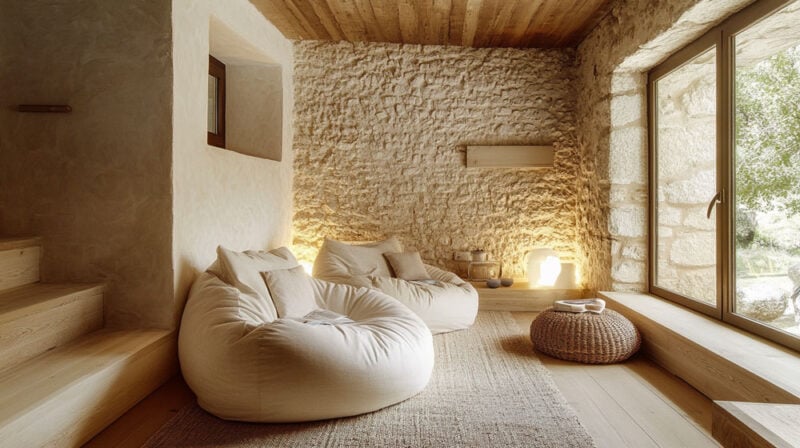
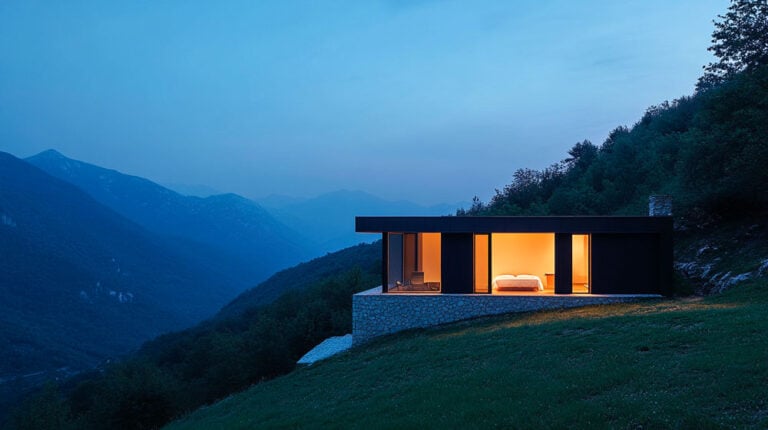
In rural contexts, modern villas stand out for their harmonious design and ability to integrate with the natural landscape. Large windows, green roofs, and the use of local materials define these homes, creating a perfect blend of modernity and nature.
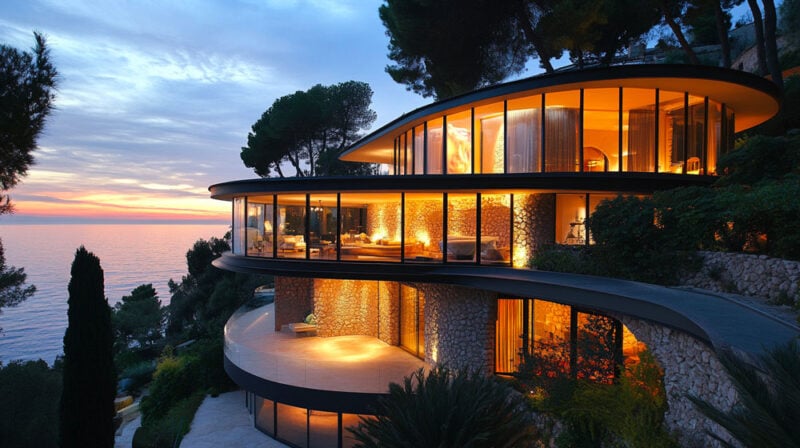
Modern beach houses prioritize open and airy spaces, with designs that highlight panoramic views and promote relaxation. Materials resistant to salt corrosion, like stainless steel and glass, are often used to ensure durability and maintain aesthetic appeal over time.
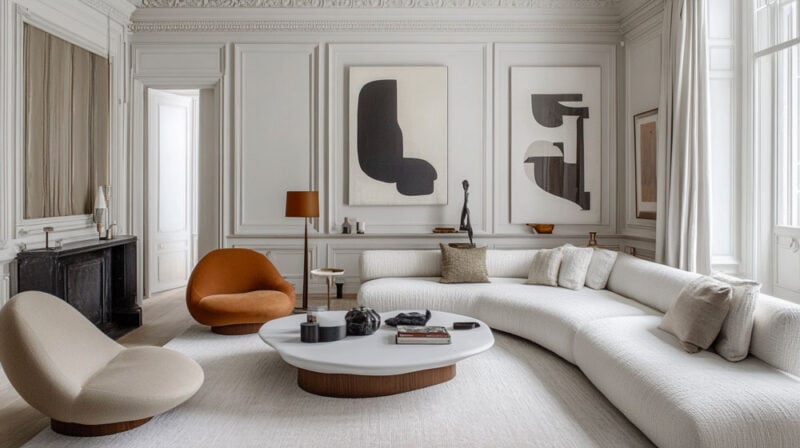
The interiors of modern houses follow a minimalist yet elegant style, focusing on functionality and comfort. Furniture is selected to optimize space and ensure a welcoming atmosphere. Modular solutions, multifunctional furniture, and essential decor are among the most common options.
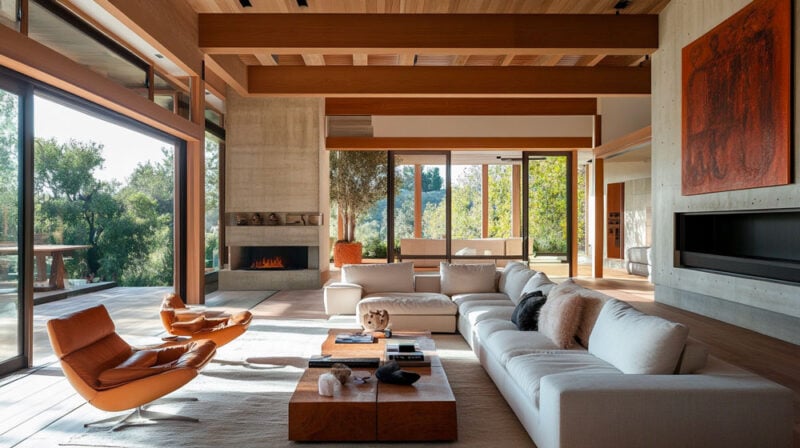
Natural light is a key element in modern interiors, often supported by LED lighting systems. Neutral colors, such as white, gray, and beige, create a relaxing environment, while accent colors can be added to give spaces personality.
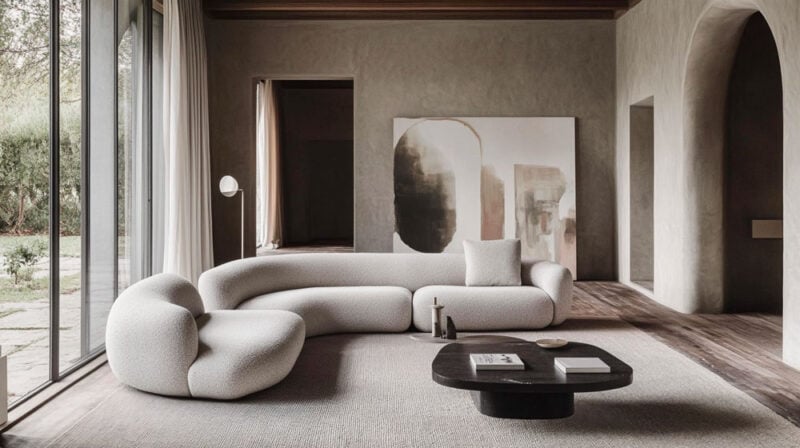
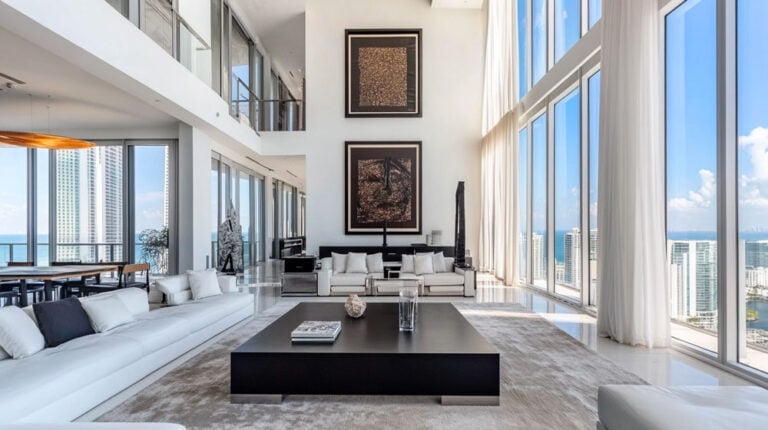
Modern living rooms are designed to be welcoming and functional spaces, featuring modular sofas, glass tables, and minimalist decorations.
Modern kitchens combine technology and design, with built-in appliances, central islands, and durable materials like steel and stone.
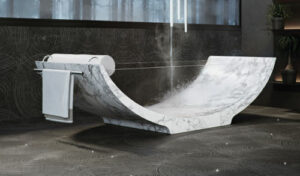
Modern bathrooms are spaces dedicated to relaxation and well-being, featuring walk-in showers, freestanding tubs, and finishes in natural materials such as marble and wood.
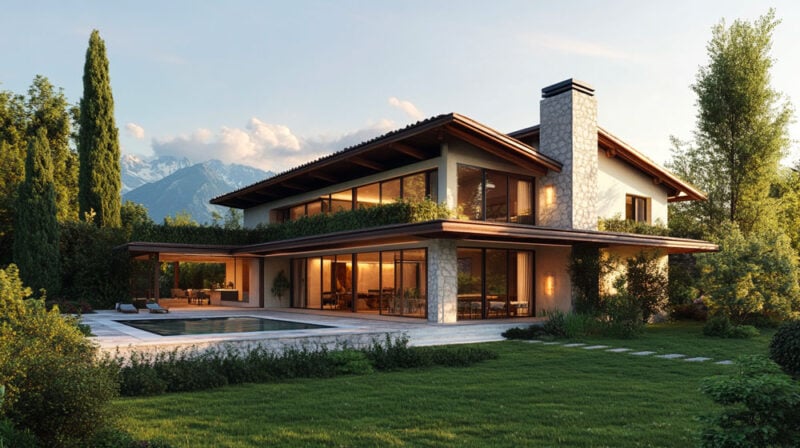
Italy offers iconic examples of modern houses that combine tradition and innovation. Projects like villas on Lake Como or contemporary homes in Tuscany show how modern design can be integrated into unique settings.
Globally, modern houses range from Scandinavian minimalism to Californian villas, offering a wide array of inspiration for those seeking a unique modern home.
Before deciding on how to realize a modern house, it’s essential to clearly define your priorities. Consider the number of rooms, location, desired lifestyle, and available budget.
Relying on experienced professionals is crucial to achieving quality results. Carefully plan every project detail and choose materials and technologies that reflect your needs.
Modern houses will continue to evolve, embracing new technologies and sustainable materials. Investing in a modern house means choosing an innovative and sustainable housing solution.
Start by defining your goals and relying on industry experts. With the right planning, you can turn your dream of a modern house into reality.







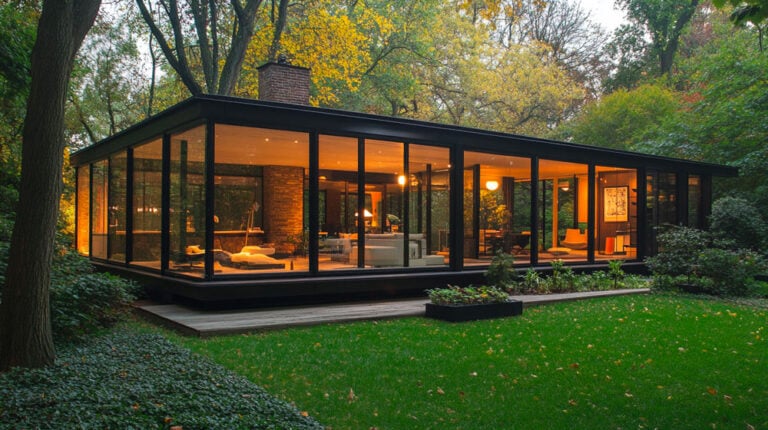
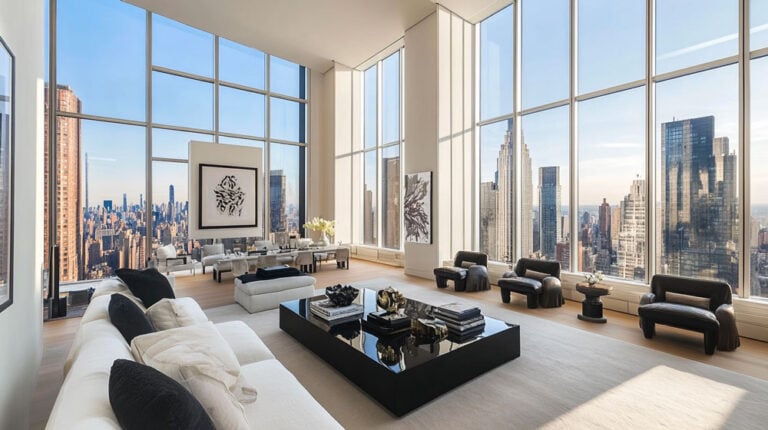


Luxurious furniture in lightweight marble
Dedalo is a company from Carrara that designs and produce monolithic luxurious furnishings in lightened marble, with a contemporary design. Our goal is to reaffirm the use of marble in everyday life without renouncing, for reasons of weight, to its three-dimensional vocation, proposing sculptural and extremely engaging shapes.