Contents
The beola stone is a natural stone widely used in construction and urban design. This material is valued for its strength and aesthetic appeal, making it suitable for various applications. Originating from the mountainous regions of Italy, beola is known for being particularly versatile, with uses ranging from flooring to decorative elements. Thanks to its durability and natural charm, beola remains a popular choice for both modern and traditional projects. In this article, we’ll explore the characteristics, uses, and benefits of this stone.
Beola is a natural stone that belongs to the gneiss family. It is primarily composed of minerals such as quartz, feldspar, and mica, giving it exceptional weather resistance and long-lasting durability. Beola is mainly quarried in Italy, particularly in the mountainous regions of Piedmont and Lombardy, where it has been used since the Middle Ages. Today, beola continues to be a highly sought-after material for construction and design due to its combination of durability and functionality.
The earliest use of beola dates back to the Middle Ages, when it was used to build houses, churches, and roads. Thanks to its resistance to weathering, beola was ideal for long-term constructions. Even in modern times, beola has maintained its essential role in architecture, with many historical buildings still standing as a testament to its use. Over the centuries, stoneworking techniques have refined, allowing beola to be used in more decorative and artistic applications.
From the Middle Ages to today, beola has been one of the most valued stones for construction and architecture, thanks to its durability and resistance to weather. In ancient times, it was used for roofing, paving, and masonry. Today, it is still widely used in modern construction, especially for exterior building cladding, plazas, and gardens. The evolution of extraction and processing techniques has made beola a preferred choice for contemporary design applications as well.
Beola is known for its excellent physical and mechanical properties. It is a durable stone capable of withstanding wear, heat, cold, and moisture, making it ideal for outdoor use. Its shades range from gray to white, with a natural texture that adds charm to design projects. Additionally, beola is easy to work with, allowing artisans to shape it for customized projects.
Beola is mainly composed of minerals such as quartz, feldspar, and mica, which give it its unique physical properties. These components contribute to its weather resistance and distinctive aesthetic, with hues ranging from light gray to white. The presence of these minerals makes beola resistant to weathering and long-lasting, maintaining its structural integrity even in challenging environmental conditions.
There are different types of beola, each with specific characteristics and applications. The most common are gray beola and white beola, which differ in color and aesthetic appeal. Gray beola is the most widespread variety, with a natural texture and subtle tone that makes it ideal for architectural projects. White beola, on the other hand, is more prized and is often used for luxury decorative applications.
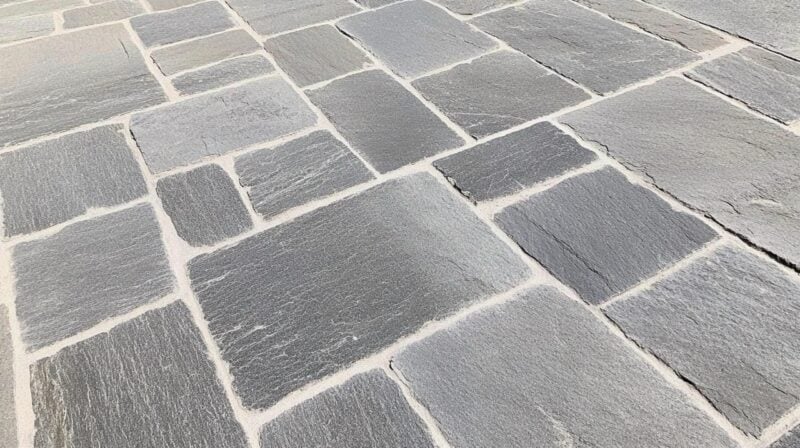
Gray beola is one of the most commonly used varieties, thanks to its neutral tone that fits a wide range of architectural projects. It is particularly valued for outdoor paving, cladding, and facades. Its natural texture and muted color make it a versatile choice for both modern and classical projects.
White beola is considered a more prestigious variety compared to gray beola. It is often used for decorative and high-end design applications. Due to its brightness and elegant appearance, white beola is chosen for luxury interiors, facades, and premium flooring.
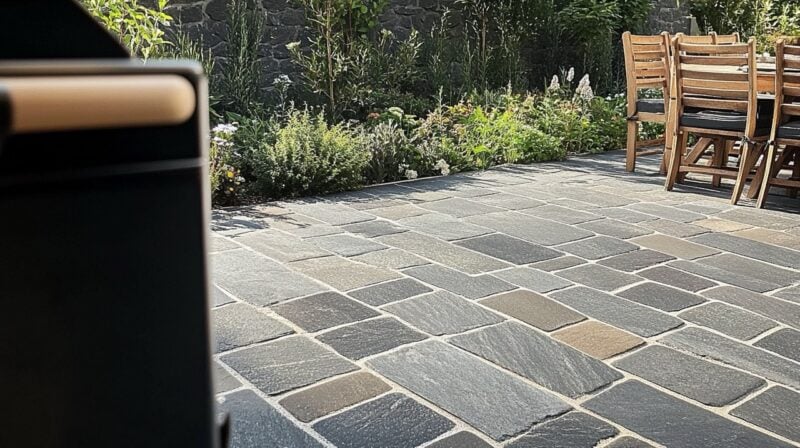
Beola is an extremely versatile stone used in a wide range of applications. From architecture to paving, urban furniture, and sculptures, this natural stone offers strength, durability, and a distinctive aesthetic. It is especially appreciated for its ability to fit into both modern and traditional projects, making it a popular choice among architects and designers.
In architecture and construction, beola is widely used for its ability to withstand wear and weathering. It is used for flooring, facades, and building cladding, offering a balance between functionality and aesthetics. Beola, in fact, adds an elegant and robust touch to any project.
Exterior paving in beola is valued for its strength and beauty. Thanks to its durability, beola is ideal for plazas, walkways, and gardens, adding an elegant touch to both public and private spaces. Its non-slip properties make it perfect for high-traffic areas.
Cladding and facades in beola provide a natural and elegant look to buildings. Thanks to its versatility, beola can be used to create uniform surfaces or more intricate designs, making the exteriors of buildings more appealing and long-lasting.
Beola is widely used in urban furnishings and gardens to create decorative elements such as fountains, sculptures, and benches. Its resistance to weathering and ability to maintain its natural beauty over time make it ideal for outdoor projects.
Beola is used in the creation of fountains and sculptures for urban and garden décor. Its natural texture and ability to be carved make it perfect for creating durable decorative elements that integrate well with the surrounding environment.
Even in interior spaces, beola is used for its elegance and durability. It is perfect for wall cladding, flooring, and fireplaces, giving rooms a sophisticated and natural look.
Interior cladding in beola is an elegant and refined design choice. Used for fireplaces and walls, beola adds a touch of naturalness and warmth to interior spaces while maintaining exceptional heat resistance and durability.
Beola offers numerous benefits from both aesthetic and functional perspectives. Its main advantages include strength, durability, and versatility. Moreover, beola is an eco-friendly material, as its extraction and processing have a lower environmental impact compared to other natural stones.
The strength of beola makes it ideal for long-term projects, both indoors and outdoors. It is particularly resistant to temperature fluctuations, frost, humidity, and wear, making it one of the most durable stones available on the market.
Aesthetic versatility is one of beola’s defining traits, allowing it to adapt to a wide range of projects, from classic to modern. Its neutral tones and natural texture make it an ideal choice for architects and designers seeking a stone that combines beauty and practicality.
Choosing the right beola stone for a project requires attention to various aesthetic and technical factors. It’s important to consider the stone’s final use, its color, the desired texture, and the durability required for the environment where it will be installed.
When selecting beola, it’s important to evaluate the stone’s aesthetic and technical characteristics. Choosing the most suitable variety ensures the best result in terms of strength and beauty. Consulting with an expert can help you make the right choice.
The main aesthetic factors to consider when choosing beola include the stone’s color, texture, and finish. Gray or white shades, along with a polished or natural finish, can influence the project’s final appearance.
From a technical standpoint, the strength and durability of beola are essential, especially for outdoor projects or those exposed to harsh weather conditions. It’s also important to consider the ease of installation and maintenance.
Beola requires minimal maintenance and is easy to care for. Regular cleaning with water and mild detergents helps preserve its beauty and prevents dirt or stains from accumulating. It’s important to avoid harsh chemicals that could damage the stone’s surface.








Luxurious furniture in lightweight marble
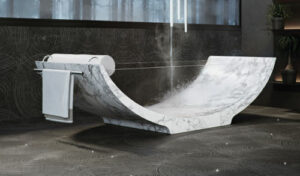
Dedalo is a company from Carrara that designs and produce monolithic luxurious furnishings in lightened marble, with a contemporary design. Our goal is to reaffirm the use of marble in everyday life without renouncing, for reasons of weight, to its three-dimensional vocation, proposing sculptural and extremely engaging shapes.