Contents
Choosing the right balcony flooring is crucial for combining functionality, durability, and style in your outdoor space. From materials to installation techniques, this guide covers everything you need to know to transform your balcony into a perfect extension of your home.

Porcelain tiles are among the most popular options for balcony flooring. Known for their durability, resistance to weather changes, and low maintenance, they are ideal for outdoor areas. These tiles come in a variety of styles, including wood, stone, and cement finishes, allowing you to create a personalized look. Their scratch-resistant and easy-to-clean surface makes them a practical choice for high-traffic balconies.
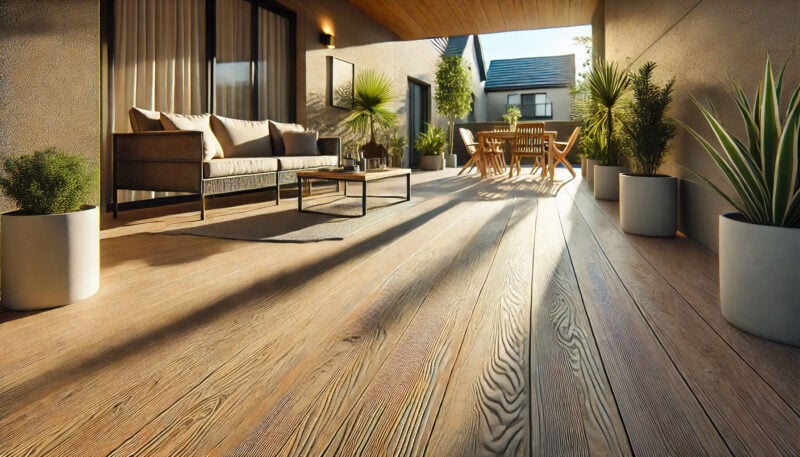
Wood flooring adds a touch of natural beauty and warmth to any balcony. Hardwood options like teak, cedar, and redwood are highly resistant to moisture and decay, making them suitable for outdoor use. Regular maintenance, such as applying protective oils, is essential to maintain their appearance and extend their lifespan. Wood is perfect for those who seek a cozy and inviting outdoor space.
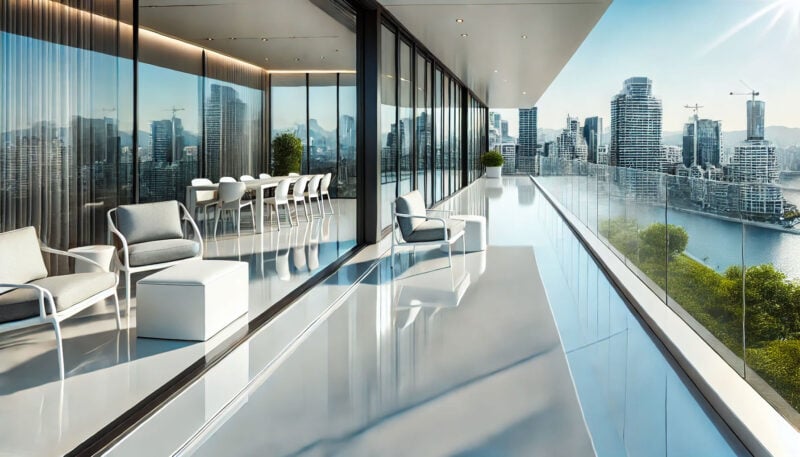
Resin flooring is a contemporary solution for balconies. Its seamless finish and waterproof properties make it a favorite for modern designs. Resin can be customized in various colors and textures, from matte finishes to polished surfaces. While its installation requires professional expertise, the result is a sleek, easy-to-maintain floor that is highly resistant to weather and wear.
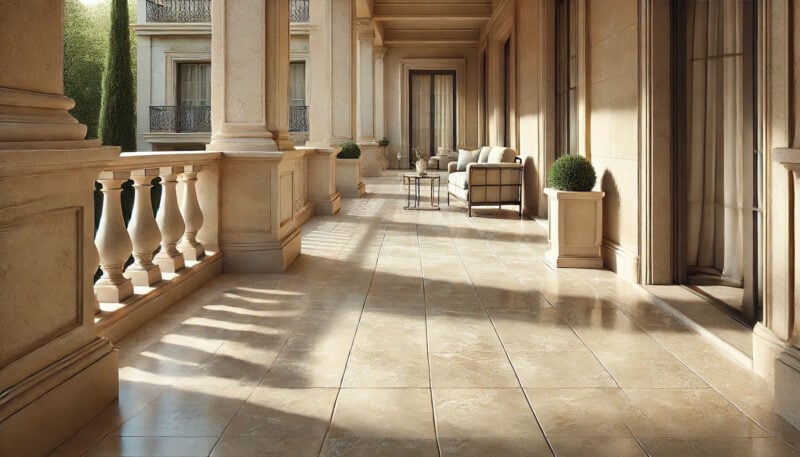
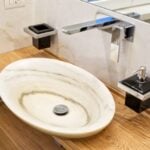
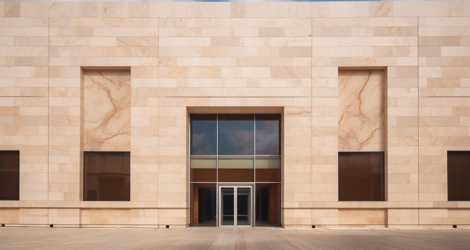
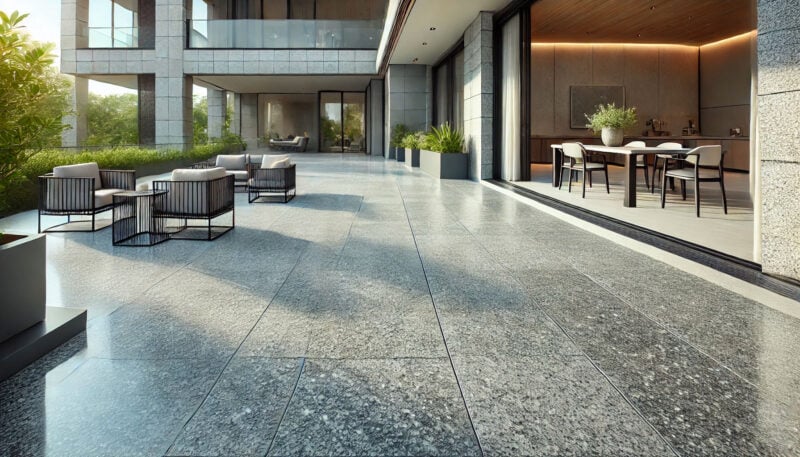
Natural stones, such as marble and travertine, provide an elegant and luxurious touch to balcony flooring. These materials are renowned for their resilience and timeless appeal. Marble, with its polished finish, enhances sophisticated settings, while travertine offers a rustic, natural look. Both require proper sealing to prevent stains and enhance their weather resistance.
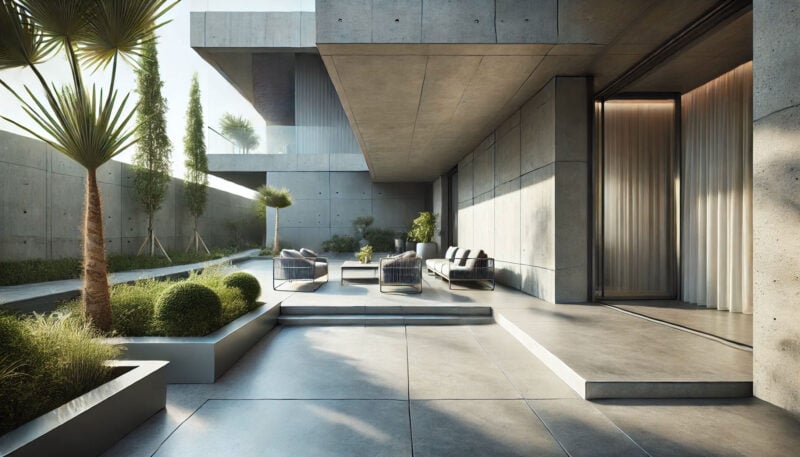
Concrete is a versatile and cost-effective choice for modern and industrial-style balconies. Its durability and ability to be stained or stamped make it highly customizable. Composite decking, made from wood fibers and recycled plastic, is another innovative option. It combines the look of wood with low maintenance and enhanced resistance to moisture and insects.
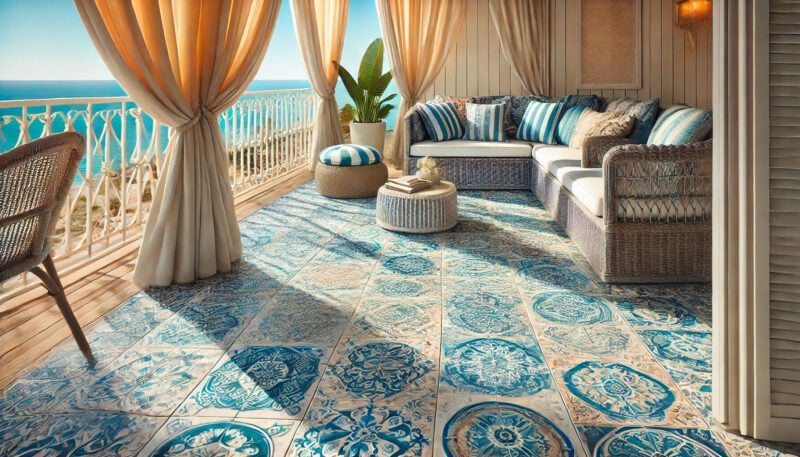
Balconies exposed to direct sunlight, rain, or snow require flooring that can withstand these elements. Porcelain tiles and resin are excellent choices for their weather resistance, while wood and stone may require extra care to protect them from UV rays and moisture.
Safety is paramount, especially for balconies with frequent foot traffic. Choose flooring materials with anti-slip properties, such as textured porcelain or composite decking, to ensure a safe and secure surface even in wet conditions.
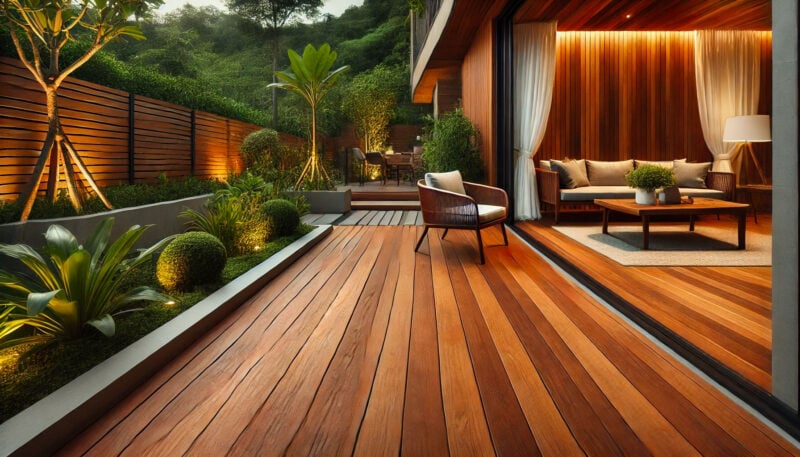
Your balcony should reflect your personal style. For a contemporary look, opt for resin or concrete finishes. For a warm and natural atmosphere, wood or composite decking works best. Matching the flooring style with the overall design of your home creates a harmonious visual effect.
Consider the durability of the materials and their maintenance requirements. Porcelain tiles and resin are low-maintenance options, while wood and marble need regular sealing and cleaning to preserve their beauty and functionality over time.
Floating installation is a quick and non-invasive method suitable for balconies. Using adjustable pedestals, it allows for easy drainage and can be installed without removing existing flooring. This technique is perfect for temporary or rental spaces.
This method ensures long-term stability and is ideal for materials like porcelain tiles or natural stone. It requires a well-prepared substrate and precise application to achieve a durable and flawless finish.
A properly prepared substrate is crucial for the success of any balcony flooring project. The surface must be leveled, waterproofed, and free of debris to prevent issues like cracking or water infiltration.
Online, you can find a wide range of terrace flooring options, combining quality, design, and affordability. Before making a purchase, it’s important to assess the product’s technical specifications. For custom-made coverings in marble, travertine, granite, and natural stones, the best choice is to contact Dedalo Stone to bring your projects to perfection.
Reading customer reviews can provide valuable insights into the performance and longevity of specific products. Look for feedback on aspects such as weather resistance, ease of installation, and overall satisfaction.
Porcelain tiles and composite decking are among the most durable options for balcony flooring, offering excellent resistance to wear, weather, and moisture.
Maintenance varies by material: use mild detergents for porcelain, apply protective oils for wood, and reseal resin or stone surfaces periodically to maintain their appearance.
Yes, floating installation techniques allow for new flooring to be installed over existing surfaces without the need for removal, saving time and labor costs.








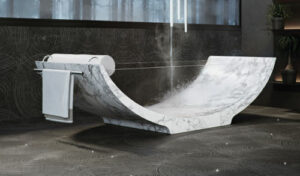
Luxurious furniture in lightweight marble
Dedalo is a company from Carrara that designs and produce monolithic luxurious furnishings in lightened marble, with a contemporary design. Our goal is to reaffirm the use of marble in everyday life without renouncing, for reasons of weight, to its three-dimensional vocation, proposing sculptural and extremely engaging shapes.