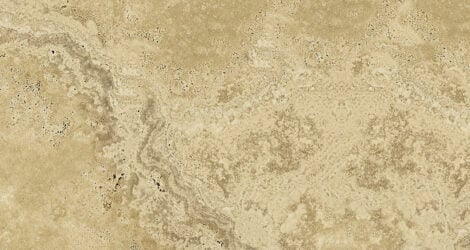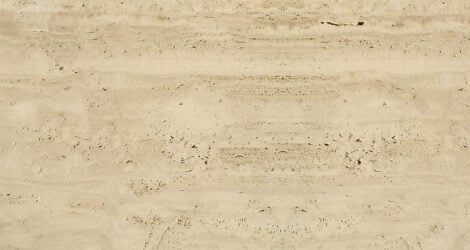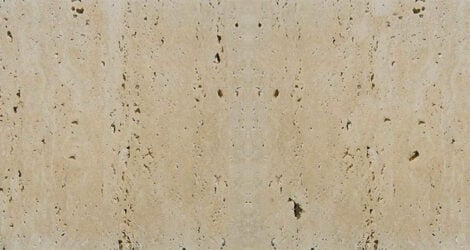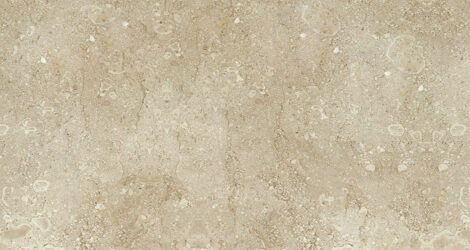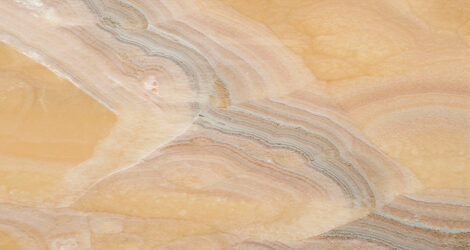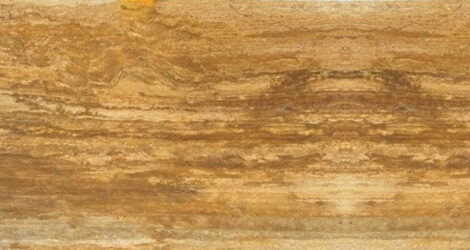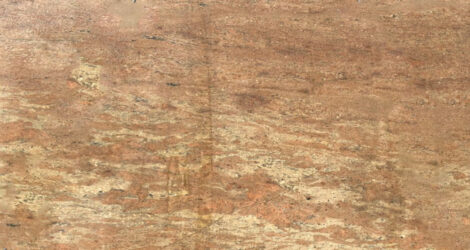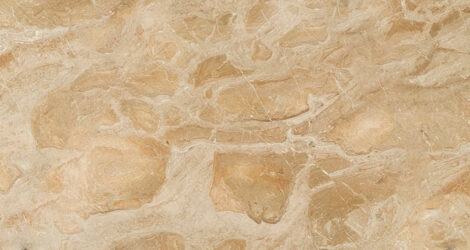
Trani Stone is a prized and versatile natural material quarried in Trani, a town in Apulia, Italy. With its limestone composition, it stands out for its durability, aesthetic appeal, and adaptability to various applications. Historically used in iconic buildings and monuments, Trani Stone remains a preferred choice in construction, design, and decoration. Let’s explore its features, advantages, processing methods, and successful projects that showcase its exceptional quality.
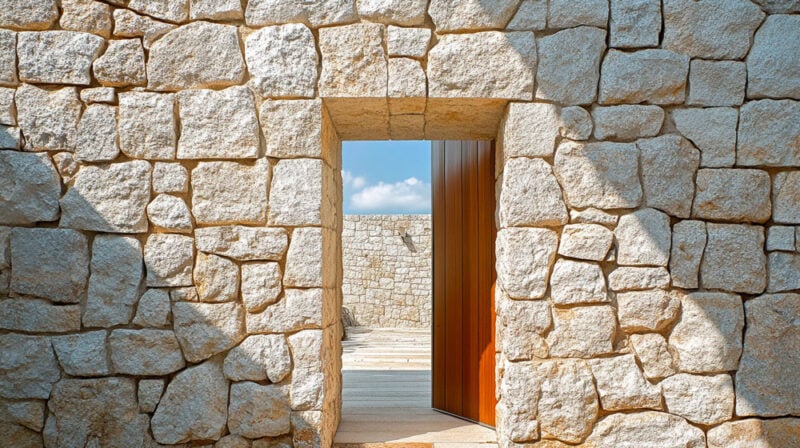
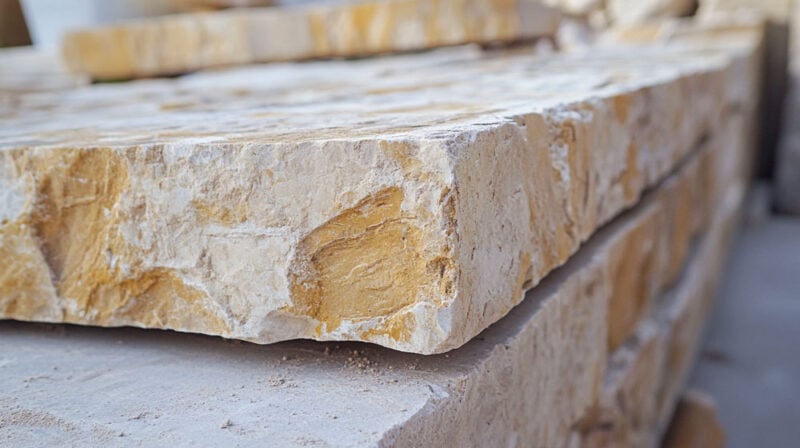
Trani Stone is a natural limestone characterized by shades ranging from white to beige, with unique veining. Known for its uniform and compact texture, it is ideal for both indoor and outdoor applications. Available in various finishes such as polished, bush-hammered, and brushed, Trani Stone combines beauty and functionality. Its versatility makes it perfect for flooring, cladding, staircases, and urban furnishings.
Originating in Apulia, Trani Stone has a rich history dating back to Roman times. It was used to construct churches, cathedrals, and palaces, many of which remain in excellent condition thanks to the stone’s resilience. The quarries of Trani are a hallmark of the Apulian region and a vital resource for the local economy. Renowned internationally, this stone is exported worldwide.
Trani Stone is an excellent choice for those seeking a natural, durable, and sustainable material. Its elegant appearance fits seamlessly into both modern and traditional projects. Its longevity ensures a long-term investment, and its low-maintenance nature makes it practical for various uses. Additionally, choosing Trani Stone supports local craftsmanship and promotes environmental sustainability.
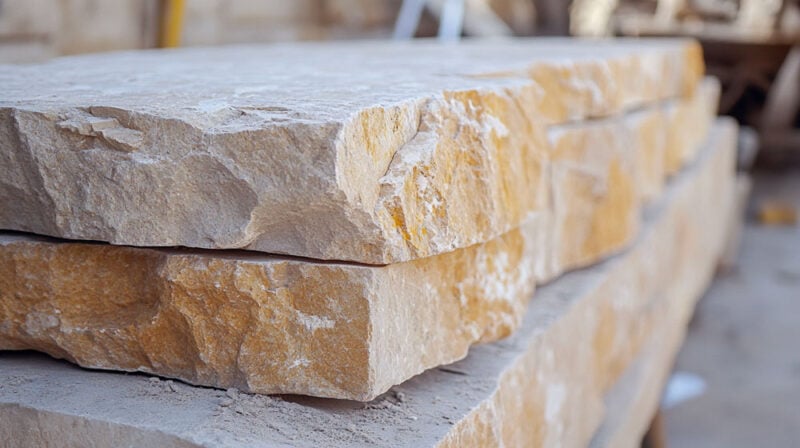
Trani Stone primarily consists of calcium carbonate, with a compact structure that minimizes excessive porosity. This composition ensures excellent resistance to weathering and mechanical stress. Visible fossil inclusions on the surface enhance its unique aesthetic appeal and technical performance.
One of the key attributes of Trani Stone is its durability against time, weather conditions, and wear. It maintains its features even after years of exposure, making it a popular choice for flooring, cladding, and architectural projects subject to harsh climates.
Trani Stone is highly adaptable, suitable for both urban and rural settings. It complements modern designs with its minimalist and elegant effect while also fitting seamlessly into historic restorations due to its authentic appearance. Available in various formats and finishes, it meets diverse project requirements.
The processing of Trani Stone begins with quarry extraction in Apulia, followed by cutting into raw blocks. These are then transformed into slabs, tiles, or decorative elements through techniques like polishing, honing, and bush-hammering. Each step is designed to enhance the stone’s natural features, ensuring a high-quality final product.
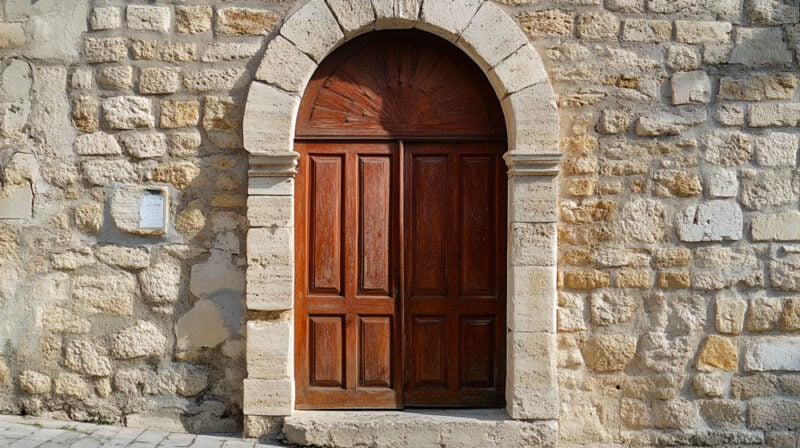
Trani Stone is particularly suited for outdoor applications due to its resistance to weather elements. It is used for pavements, cladding, stairs, walls, and urban furniture. Its light and natural tones blend harmoniously with the environment, adding elegance to outdoor spaces.
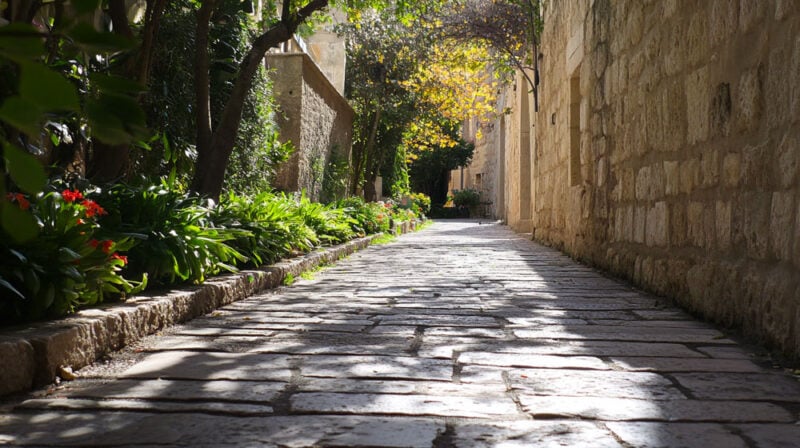
Trani Stone flooring is ideal for courtyards, terraces, and gardens. It provides a durable, slip-resistant surface, ensuring safety and functionality. Its natural aesthetic makes it suitable for both residential and commercial contexts.
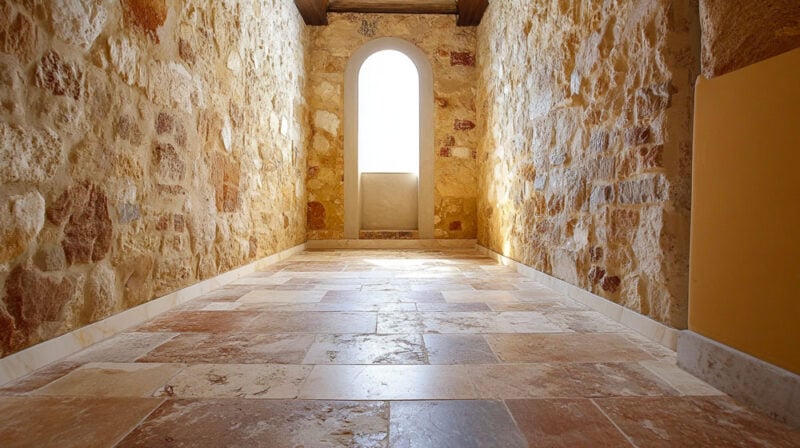
Trani Stone cladding is valued for protecting walls from weather damage while enhancing thermal insulation. It is ideal for facades, boundary walls, and decorative accents.
Trani Stone staircases combine durability and elegance, making them an excellent choice for both interior and exterior applications. Their surfaces can be customized for safety and tailored to fit any style.
For interiors, Trani Stone is used to clad walls and floors, adding a sophisticated touch to any space. Its versatility allows it to complement both classic and contemporary styles.
Compared to other Italian limestones, such as Lecce Stone or Travertine, Trani Stone stands out for its greater wear resistance and more neutral tones, making it better suited to modern design projects. Additionally, its competitive cost makes it accessible for a wide range of applications.
Trani Stone is incredibly versatile, usable in projects ranging from residential construction to urban furnishings. Its properties make it a flexible choice for flooring, cladding, and decorative purposes.
As a natural material, Trani Stone is eco-friendly and sustainable. Its long lifespan reduces the need for frequent replacements, minimizing environmental impact. Moreover, extraction and processing can be managed sustainably to conserve natural resources.
Trani Stone has been featured in numerous prestigious projects both in Italy and abroad. These include the cladding of historic facades, such as Apulian churches, as well as modern applications in luxury hotels and villas. Its ability to merge tradition with modernity makes it a top choice for those seeking unique inspirations for their spaces.
Material: Carbonate rock
Color: Beige
Origin: Italy
Uses: Cladding, Flooring
Surface: Natural







[email protected]
+39 338 88 73 907

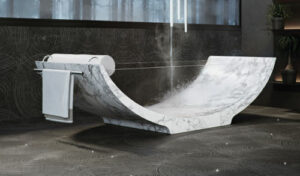
Luxurious furniture in lightweight marble
Dedalo is a company from Carrara that designs and produce monolithic luxurious furnishings in lightened marble, with a contemporary design. Our goal is to reaffirm the use of marble in everyday life without renouncing, for reasons of weight, to its three-dimensional vocation, proposing sculptural and extremely engaging shapes.