
Contents
Interior design is a discipline that blends aesthetics and functionality to create spaces that are not only visually appealing but also practical and comfortable. It involves a comprehensive approach to transforming a space, taking into account layout, material selection, lighting, furniture, and even acoustics. The term interior design meaning refers to the principles and techniques used to optimize environments, ensuring they meet aesthetic, practical, and emotional needs. This ever-evolving field adapts to modern trends and demands, often incorporating technology and sustainable solutions.
Interior design has a rich history that reflects cultural and technological changes throughout time. In ancient civilizations, interiors were adorned with precious materials and art to signify social status. During the Renaissance, design shifted to emphasize proportion and harmony, inspired by classical architecture. In the 20th century, movements like Bauhaus revolutionized the industry with a focus on functionality and minimalism. Today, interior design is a fusion of styles, advanced technologies, and a strong emphasis on sustainability and user well-being.
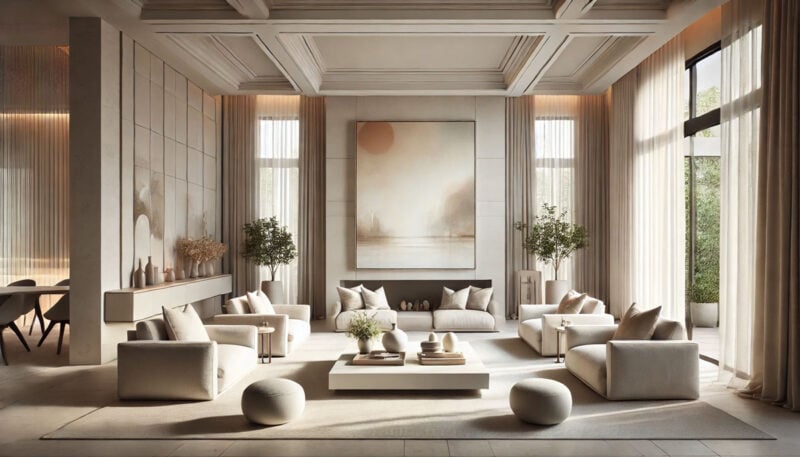
Balance is one of the core principles of interior design. It can be achieved in three main ways: symmetrical balance, where elements are evenly distributed on either side of a central axis; asymmetrical balance, which uses objects of varying sizes and shapes to create dynamic equilibrium; and radial balance, where elements are arranged around a central focal point, such as a round dining table. Harmony, on the other hand, is achieved through a consistent combination of colors, materials, and shapes that create a sense of continuity throughout the space.
Proportion and scale are key concepts that affect both the appearance and functionality of a space. For instance, an oversized chandelier in a small room may feel overwhelming, while a tiny piece of art on a large wall can seem insignificant. Proportion deals with the relationship between objects, while scale refers to how those objects relate to the entire space. Adhering to these principles ensures that spaces are visually balanced and pleasing.

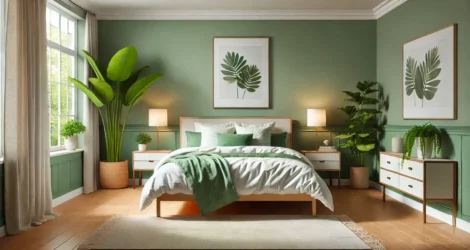
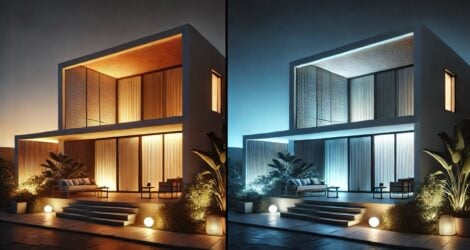
Color is a powerful tool that influences mood and perception. Warm tones like red and orange evoke energy, while cool tones like blue and green promote calmness. Lighting plays an equally important role in highlighting or softening a space’s features. Effective lighting design combines natural and artificial light sources, such as LED fixtures, to create different atmospheres—from intimate to functional.
Space planning is the foundational step in any interior design project. It involves understanding the practical needs of the users, such as arranging furniture to allow smooth traffic flow or optimizing functional areas. For example, in a modern kitchen, an effective layout might incorporate the “work triangle” between the refrigerator, stove, and sink to maximize efficiency. Tools like 3D modeling software help designers visualize and plan every detail.
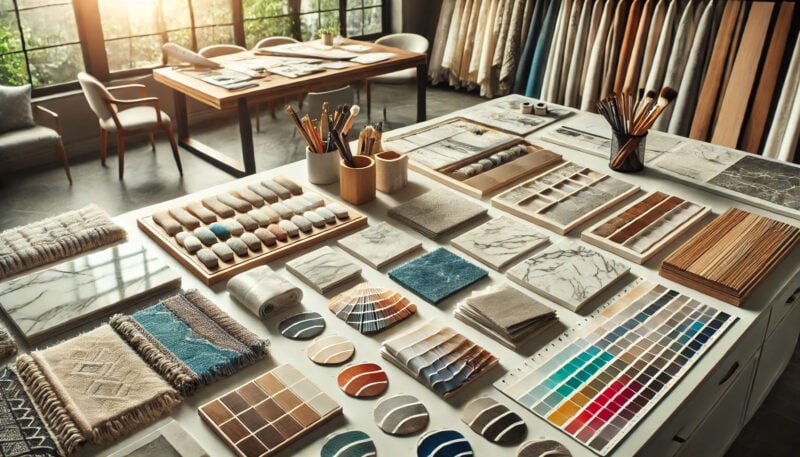
Materials used in interior design impact both the aesthetics and sensory experience of a space. Natural materials like wood and stone offer warmth and authenticity, while synthetic options like acrylic glass provide versatility and durability. Choosing the right materials also involves considering practical factors such as maintenance, longevity, and environmental impact.

Furniture and accessories are key elements that define a space’s character. Ergonomic and functional furniture ensures comfort, while accessories like rugs, curtains, and artwork add personality. A skilled designer combines these elements to create a cohesive environment that aligns with the desired style and meets practical needs.

The modern and minimalist style is characterized by clean lines, smooth surfaces, and a neutral color palette. This approach emphasizes functionality and the elimination of unnecessary elements. Minimalist spaces are designed to be uncluttered and calming, making them ideal for contemporary living. Materials like glass, metal, and light wood are often used, along with furniture featuring geometric shapes.

Classic design draws inspiration from past eras, featuring refined furniture, rich textiles, and decorative details such as molding and columns. This style exudes elegance and sophistication, with a color palette that includes neutral tones and accents of gold or silver. Traditional interiors are perfect for those who appreciate cozy and luxurious environments.

The industrial style takes cues from urban lofts and repurposed factories, incorporating exposed brick, metal pipes, and raw textures. Dark colors and rugged materials create a bold, robust look. Rustic design, on the other hand, focuses on warmth and natural elements like reclaimed wood and organic fabrics. Combining these styles can result in unique, inviting spaces that balance modernity with tradition.
Pursuing a career in interior design often involves formal education through universities or specialized schools. Renowned institutions like the British College of Interior Design offer programs covering space planning, CAD software, and aesthetic principles. Many programs also include internships, providing hands-on experience in the field.
In the United States, you can find excellent interior design courses at the New York School of Interior Design or the Parsons School of Design.
In addition to education, a successful interior designer must have a strong sense of aesthetics, problem-solving skills, and technical expertise. Effective communication with clients is crucial, as is staying updated on market trends and local regulations. Creativity combined with careful planning is the key to delivering successful projects.
Personalizing a space means making it unique and reflective of your personality. Items like photographs, art pieces, and custom furniture can add a personal touch. Even small details, such as choosing fabrics with distinctive textures or incorporating greenery, can transform a room into something special.
Common mistakes in interior design include overcrowding a space, choosing inconsistent colors, and ignoring proportions. For instance, placing too much furniture in a small room can compromise functionality and aesthetics. Careful planning ensures harmonious and practical results.
Inspiration for interior design can come from various sources, including magazines, social media, design exhibitions, and travel. Creating a mood board with images and ideas can help you visualize the project and define a cohesive style. Visiting showrooms or consulting with professional designers can also provide valuable insights for innovative designs.








Luxurious furniture in lightweight marble
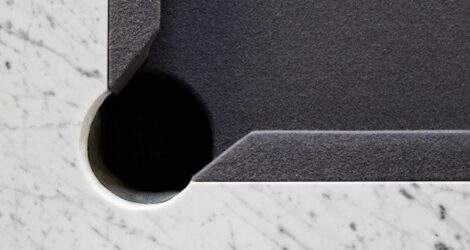
Dedalo is a company from Carrara that designs and produce monolithic luxurious furnishings in lightened marble, with a contemporary design. Our goal is to reaffirm the use of marble in everyday life without renouncing, for reasons of weight, to its three-dimensional vocation, proposing sculptural and extremely engaging shapes.