
Contents
Feng Shui is an ancient Chinese practice that aims to create balance and harmony in the environments where we live. Based on the principles of energy flow, or “qi,” Feng Shui involves the arrangement of spaces, the use of colors, and the selection of furnishings. The goal is to enhance the physical, mental, and emotional well-being of the people who inhabit these spaces. In this article, we will explore the fundamental principles of Feng Shui, its benefits, and how to apply it in our homes and offices to transform our daily lives.
Feng Shui has ancient origins, dating back more than 3,000 years to ancient China. Originally a form of geomancy, it was used to choose the most favorable sites for building homes and tombs. The philosophy of Feng Shui is based on the idea that the surrounding environment profoundly affects individual well-being. The word “Feng” means wind, and “Shui” means water—two natural elements essential for life. The ancient Chinese believed that the arrangement and harmonization of spaces could positively influence people’s lives, bringing luck, health, and prosperity.
Feng Shui is based on five fundamental principles: Qi, Yin and Yang, the Five Elements, the Bagua, and the Compass School. Qi is the life energy that flows through everything. Yin and Yang represent opposing yet complementary forces. The Five Elements—wood, fire, earth, metal, and water—interact with each other, influencing the environment. The Bagua is an energy map used to analyze spaces, while the Compass School is based on the orientation of buildings. Understanding and applying these principles is essential to creating a harmonious environment.
Harmonizing spaces through Feng Shui can significantly improve the quality of life. The proper arrangement of furniture, appropriate use of colors, and choice of natural materials can positively affect the energy flowing within a space. Harmonized spaces promote relaxation, reduce stress, and enhance the overall sense of well-being. For example, a room with good qi circulation is more welcoming and relaxing, contributing to a serene and positive atmosphere.
Feng Shui goes beyond improving the aesthetics of a space; it has tangible effects on physical and mental well-being. A well-balanced environment can reduce stress, improve sleep quality, and increase concentration. The presence of natural elements such as plants, fountains, and organic materials can increase comfort and happiness. Additionally, the strategic use of natural light and mirrors can amplify positive energy, contributing to greater emotional and mental balance.
An environment designed according to Feng Shui principles can also boost productivity and stimulate creativity. Well-organized, clutter-free spaces promote concentration and reduce distractions. The ergonomic arrangement of furniture and the presence of stimulating colors can enhance work performance and motivation. In the office, Feng Shui can help create a more positive and collaborative work environment, improving relationships among colleagues and increasing professional success.
The living room is one of the main areas of a home, where we spend a significant amount of our time. In Feng Shui, the arrangement of furniture is crucial. Sofas and chairs should be positioned to facilitate conversation and create a harmonious energy flow. Using warm, welcoming colors can make the space more inviting. Natural elements like plants and fresh flowers bring vital energy and purify the air, contributing to a healthier and more relaxing environment.
The furniture arrangement in the living room should encourage the circulation of qi. Avoid placing sofas with their backs to the door, as this can create a feeling of insecurity. Opt for a semicircular arrangement to facilitate conversation and energy flow. Keep spaces free of obstacles to allow easy movement and good energy circulation.
Colors deeply affect the energy of a room. In the living room, warm colors like red, orange, and yellow can stimulate social interaction and create a cozy atmosphere. Neutral tones like beige and gray can balance the energy and bring calm. The use of natural colors and organic materials promotes a relaxing and harmonious environment.
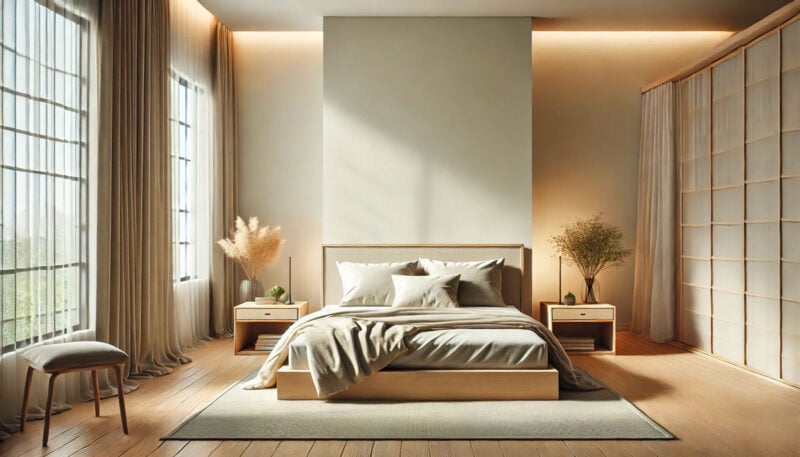
The bedroom is a place for rest and energy recovery. According to Feng Shui, the bed’s position is crucial for good sleep and positive energy. The bed should be positioned to have a clear view of the door but not directly in line with it. Use calming colors like blue, green, and lavender to create a relaxing atmosphere. Avoid using electronic devices that can disrupt energy flow.
Bed placement is fundamental for good Feng Shui. The headboard should rest against a solid wall, away from windows to prevent energy dissipation. The bed should not be aligned directly with the door to avoid the “coffin position.” An ideal placement allows one to see the door without being directly in line with it, offering a sense of security and control.
Decorative elements in the bedroom should be chosen carefully to promote relaxation and intimacy. Photographs of happy moments, artwork with natural subjects, and soft fabrics can enhance the room’s energy. Avoid mirrors positioned facing the bed, as they can disturb sleep by reflecting energy. Keeping the bedroom tidy and free of clutter is essential for good Feng Shui.
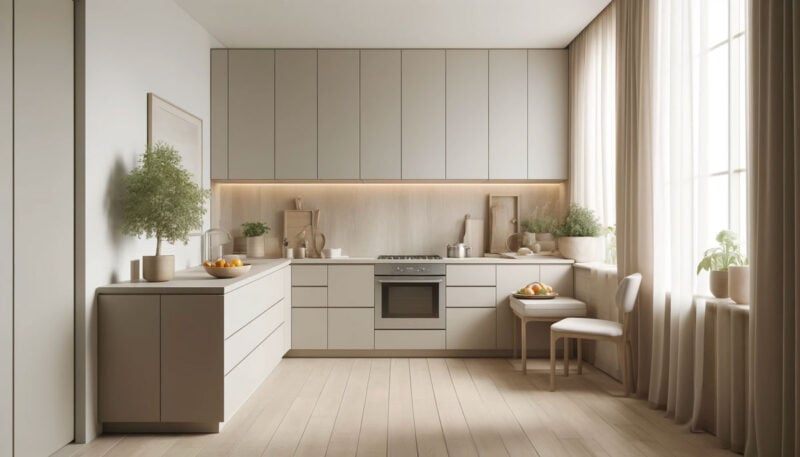
The kitchen is the heart of the home, where food is prepared to nourish the body and soul. Good Feng Shui in the kitchen can improve the family’s health and well-being. Keep the kitchen clean and tidy to foster positive energy flow. Use natural materials like wood and stone to create a welcoming environment. The position of the stove is important: it should be placed so that the cook has a good view of the door, symbolizing control and safety.
Organizing the kitchen is essential for good Feng Shui. Keep countertops free of clutter and organize utensils neatly. Frequently used items should be easily accessible, while those used less often can be stored in closed cabinets. A well-organized environment facilitates energy flow and makes meal preparation more enjoyable.
Choose natural utensils and materials for the kitchen. Avoid synthetic materials that can disrupt energy. Stainless steel or cast iron pots and pans are ideal. Use wooden cutting boards and ceramic or glass tableware. Natural elements not only enhance energy but are also healthier for food preparation.
Maintaining order and cleanliness is fundamental for good Feng Shui. A cluttered and dirty environment can block energy flow and create stress. Keep every space in the house clean and well-organized, eliminating unnecessary objects and repairing what is broken. Order and cleanliness promote harmonious qi flow, improving overall well-being.
Feng Shui is based on balancing the Five Elements: wood, fire, earth, metal, and water. Each element must be represented in a balanced way within a space. For example, too much fire can create tension, while too much water can lead to laziness. Use plants (wood), candles (fire), ceramics (earth), metal objects (metal), and fountains or mirrors (water) to create balance.
Mirrors are powerful tools in Feng Shui, capable of amplifying energy. However, they must be used with caution. Avoid placing mirrors in front of the bed, as they can disturb sleep by reflecting too much energy. Mirrors should reflect beautiful things like natural landscapes or artwork, enhancing positive energy. Strategically placed, they can also visually expand a space and improve brightness.
Natural light is essential for good Feng Shui as it brings vital energy and positively affects mood. Make sure your home is well-lit during the day. Avoid heavy curtains that block natural light and use mirrors to reflect light into dark corners. Artificial lighting should mimic natural light as much as possible, with warm light bulbs to create a cozy atmosphere.
Colors profoundly affect the energy of a space. Use colors strategically to create harmony and balance. For example, blue and green bring calm and tranquility, while red and orange stimulate energy and passion. White is purifying and can be used to balance other more intense colors. Choose colors that resonate with the desired energy for each room.
Feng Shui architecture is based on the harmonious integration of the building with its natural surroundings. The building’s position, room layout, and use of materials are all elements considered to create a positive energy flow. Buildings designed according to Feng Shui tend to have simple, linear shapes, with a particular focus on symmetry and balance.
The building’s location is crucial in Feng Shui. A well-chosen site can promote the occupants’ health and well-being. Ideally, place the building in an area with good qi flow, away from busy roads or sharp corners that can create negative energy. Proximity to natural elements such as hills, waterways, or trees can enhance the building’s energy.
Materials used in Feng Shui architecture should be natural and sustainable. Wood, stone, glass, and natural metals are preferred for their ability to harmonize with the surrounding environment. The shapes of buildings should be soft and flowing, avoiding sharp corners and aggressive lines. Circular buildings or those with rounded corners promote better qi flow, creating a more harmonious and welcoming environment.
Feng Shui can enhance meditation practice by creating a serene, distraction-free space. Use comfortable cushions, calming colors, and objects that promote concentration, such as candles and incense. A dedicated meditation area should be clutter-free and well-ventilated, with good natural lighting. This helps create an environment that supports relaxation and mental tranquility.
Feng Shui can enrich yoga practice by creating an environment that promotes physical and mental well-being. Choose a quiet room with good air circulation and natural light. Use mats and cushions made of natural materials and place plants and fountains to bring vital energy. The space arrangement should encourage free movement and a lack of distractions, creating an ideal place for yoga practice.
Creating a relaxation corner according to Feng Shui principles can greatly improve your well-being. Choose a quiet area of the house and furnish it with comfortable furniture, soft cushions, and soft lighting. Use relaxing colors like blue and green, and add natural elements like plants and water. This space will become a personal refuge where you can relax and recharge after a stressful day.
Desk arrangement is crucial for good Feng Shui in the office. Position the desk to have a clear view of the door, symbolizing control and security. Avoid placing the desk facing a wall, as it can block energy flow. Keep the desk tidy and clutter-free to promote concentration and productivity.
A stimulating work environment can boost productivity and creativity. Use vibrant colors like yellow and orange to stimulate energy and motivation. Add plants to improve air quality and bring vital energy. Ensure the office is well-lit, preferably with natural light, and keep the environment clean and organized.
Feng Shui can help reduce stress by creating a more harmonious work environment. Avoid clutter buildup and keep the office well-organized. Use natural materials and calming colors to create a relaxing atmosphere. Add water elements like fountains or aquariums to bring a sense of tranquility. Creating a harmonious workspace can significantly improve well-being and productivity.

An excess of decorative items can block energy flow and create clutter. In Feng Shui, it is important to keep the environment simple and orderly. Choose a few meaningful items that bring joy and harmony, avoiding unnecessary decoration buildup. A clutter-free environment promotes better qi flow and a greater sense of tranquility.
Poor lighting can negatively affect the energy of a space. Make sure every room is well-lit, preferably with natural light. Use warm light lamps to create a cozy atmosphere, and avoid fluorescent lights that can disrupt energy. Strategically placed mirrors can help reflect light and visually expand the space.
Incorrect furniture placement can block energy flow and create tension. In Feng Shui, it is important to position furniture to facilitate movement and qi flow. Avoid placing beds directly opposite doors or sofas with their backs to the entrance. Keep spaces open and well-organized to foster a harmonious environment.
Attending courses and workshops on Feng Shui can provide a practical opportunity to learn and apply this ancient art. Many schools and organizations offer online and in-person courses covering everything from the basics of Feng Shui to advanced design techniques. These courses are ideal for those who wish to deepen their knowledge and become experts in applying Feng Shui.
If you want a personalized application of Feng Shui in your home or office, consulting an expert may be a good solution. Feng Shui consultants offer professional services to evaluate your space and suggest specific modifications to improve energy. They can help you identify and correct any imbalances, creating a more harmonious and positive environment.








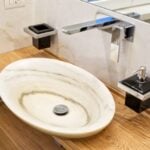
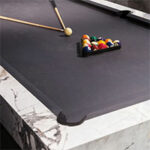
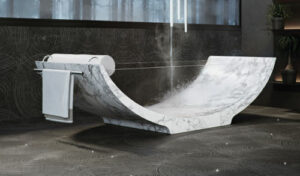
Luxurious furniture in lightweight marble
Dedalo is a company from Carrara that designs and produce monolithic luxurious furnishings in lightened marble, with a contemporary design. Our goal is to reaffirm the use of marble in everyday life without renouncing, for reasons of weight, to its three-dimensional vocation, proposing sculptural and extremely engaging shapes.