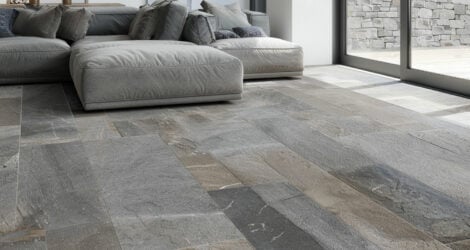

Pink granite is a natural stone admired for its beauty and durability. It has been used since ancient times and remains a popular material in modern construction and design for flooring, cladding, and monuments. Its shades range from light pink to more intense tones due to the presence of feldspar, quartz, and mica. This type of granite is also known for its long-lasting properties and the ability to maintain its aesthetic qualities over time.
Pink granite is an igneous rock composed mainly of quartz, feldspar, and mica. The distinctive pink color comes from the high content of potassium feldspar. These minerals crystallize beneath the Earth’s surface, creating a solid, granular structure that makes pink granite particularly resistant to wear and weather.
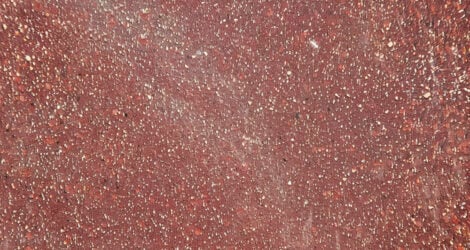
The shades of pink granite can vary depending on the quarry location and mineral composition. It ranges from light pink to darker shades with veins and inclusions of other colors, such as gray, white, and black. This color diversity offers a wide range of aesthetic possibilities for design and architecture.
Pink granite forms through the slow cooling of magma deep within the Earth’s crust. This geological process, which can take millions of years, allows for the crystallization of minerals, giving pink granite its typical granular structure. The presence of minerals like quartz and feldspar is crucial in giving the rock its pink hue.
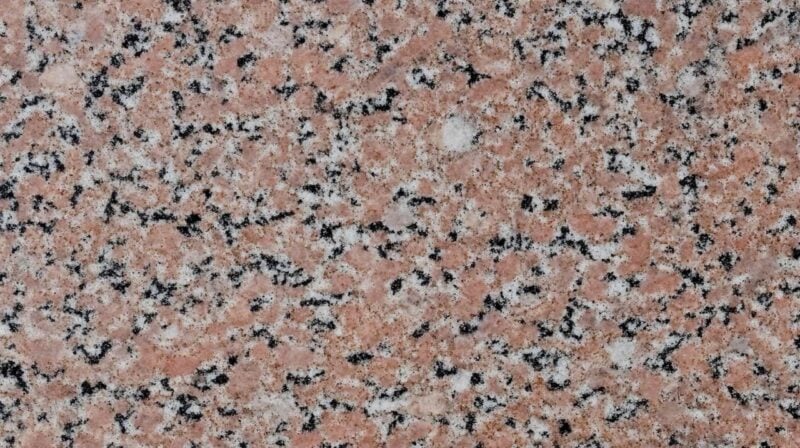
The Baveno pink granite is one of the most famous in the world. Quarried near Lake Maggiore in Piedmont, Italy, this granite is characterized by a soft pink hue, with inclusions of white quartz and dark mica. Due to its excellent quality, Baveno pink granite has been used in many notable architectural projects both in Italy and abroad.
Baveno pink granite has a long history of use, dating back to Roman times. It was used in the construction of monuments and patrician villas. Over the centuries, it has become a symbol of prestige thanks to its beauty and durability. Today, it is considered one of the finest granites in Italy.
The distinctive features of Baveno pink granite include its uniform color, weather resistance, and ease of working. It is widely used in architecture and urban design due to its ability to maintain its aesthetic and mechanical properties over time.
Sardinian pink granite comes from the quarries of Sardinia and is known for its warm, uniform tone. This variety of pink granite has a coarser grain than that of Baveno but offers high durability and refined aesthetics, making it ideal for visually impactful projects.
Primarily extracted from the northern regions of Sardinia, this granite is valued for its mechanical properties and natural beauty. Its geological formation, similar to that of Baveno granite, makes it suitable for both indoor and outdoor uses, including flooring, staircases, and wall cladding.
In addition to Baveno and Sardinia, pink granite is quarried in other parts of the world, such as Brazil, Spain, and India. Each location produces variants of pink granite with unique characteristics, reflecting the different local geological conditions.
One notable variety is the Milford pink granite, quarried in Milford, Massachusetts, USA. This stone is famous for its distinctive pink hue and has been used in several historical buildings and monuments across the United States. Its durability and unique color make it a sought-after material for both architectural and decorative applications.
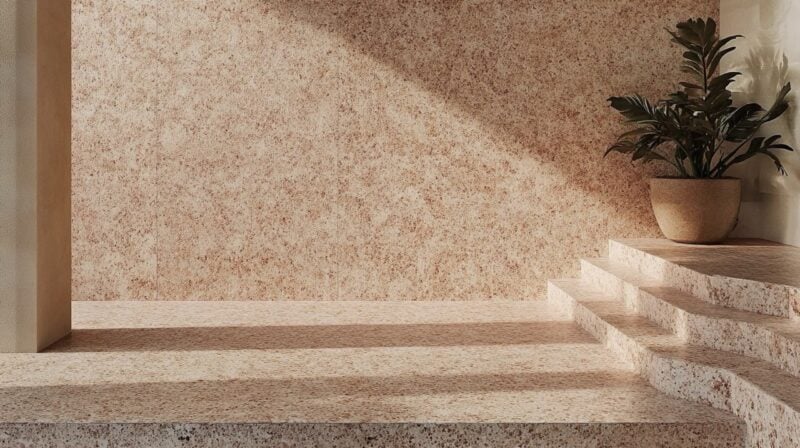
Pink granite is used in many architectural and design projects due to its elegance and versatility. It is employed in building facades, flooring, columns, and urban furniture. Its durability and wide range of colors make it suitable for both interior and exterior applications, offering a refined and lasting aesthetic.
Pink granite flooring and cladding are valued for their wear resistance and ability to maintain their beauty over time. It is often chosen for public and private spaces where refined aesthetics and durability are essential qualities.
Pink granite has been used in numerous works of art and sculptures of great historical and artistic value. Its resistance to weather makes it perfect for outdoor monuments, where it can last for centuries without significant damage.
In modern construction, pink granite is often chosen for projects that require a strong and decorative material. It is used for facades, flooring, staircases, and other architectural elements, offering a combination of strength and aesthetic appeal.
Many architects select pink granite for contemporary projects due to its natural elegance and its ability to adapt to various architectural styles. Its versatility makes it a popular choice for both residential and commercial projects.
Pink granite requires minimal maintenance to preserve its beauty over time. Regular cleaning with specific products helps maintain the surface and prevent scratches or stains. It is essential to avoid harsh chemicals that could damage the granite.








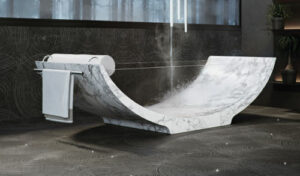
Luxurious furniture in lightweight marble
Dedalo is a company from Carrara that designs and produce monolithic luxurious furnishings in lightened marble, with a contemporary design. Our goal is to reaffirm the use of marble in everyday life without renouncing, for reasons of weight, to its three-dimensional vocation, proposing sculptural and extremely engaging shapes.